
Where Custom Automation Mistakes Begin
Avoiding custom automation mistakes begins long before a machine is built. Custom automation projects are complex by nature. Every machine is designed around a specific manufacturing process, with unique parts, production requirements, quality standards, and operating conditions.
Even with thorough planning, challenges are inevitable. Parts change, requirements evolve, and sometimes what looks good on paper doesn’t translate perfectly to the production floor.
But many of the biggest challenges we encounter aren’t necessarily caused by the equipment itself. They often come down to decisions, assumptions, or expectations established long before the machine is built.
At Steven Douglas Corp. (SDC), we’ve been designing and building custom automation systems since 1998. Over that time, we’ve learned that successful projects depend just as much on early engineering decisions, communication, and collaboration as they do on the machine itself.
Here are seven common issues that can put an automation project at risk, and what manufacturers can do to avoid them.
The seven most common custom automation mistakes are:
- Choosing a Solution Before Defining the Problem
- Designing Around Ideal Parts Instead of Production Parts
- Focusing on Cycle Time Instead of Production Throughput
- Unclear Project Scope and Acceptance Criteria
- Making Late Changes to Custom Machine Design
- Overlooking Automation System Integration
- Designing for Runoff Instead of Production
1. Choosing a Solution Before Defining the Problem
Manufacturers often approach automation with a solution already in mind. They may request a robotic system or a specific technology because they’ve seen it work elsewhere. While that provides a useful starting point, the requested solution isn’t always the best fit.
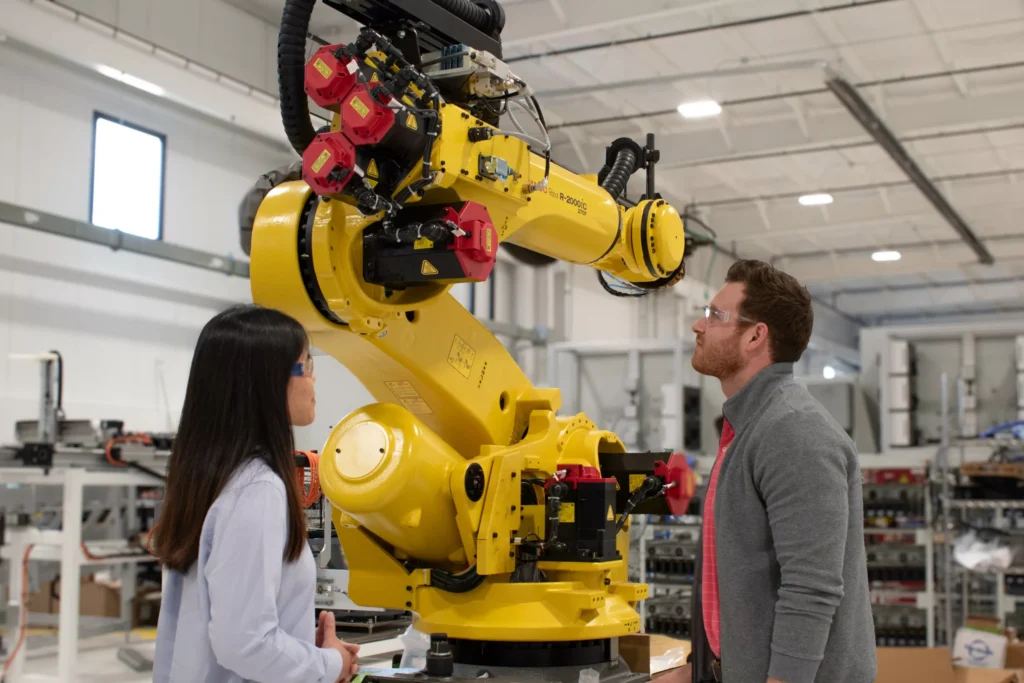
For example, a customer approached SDC requesting a collaborative robot, or cobot, to palletize boxes from an end-of-line conveyor. After evaluating the application, our engineering team determined that the weight of the boxes and the required production speed made a traditional industrial palletizing robot a better solution.
Rather than designing around the originally requested cobot, we recommended a traditional robot with appropriate safety guarding. It could handle the required payload and speed while providing the output the customer needed. The customer moved forward with the recommendation and was pleased with the result.
This is where experience matters. An automation partner should evaluate multiple approaches—robot, gantry, dedicated mechanical system, or a combination—and balance performance, reliability, and cost.
The takeaway: Come to your automation partner with a clearly defined manufacturing challenge and desired outcome. Be open to different ways of achieving it.
2. Designing Around Ideal Parts Instead of Production Parts
A part drawing provides dimensional information, but it rarely tells the complete story of how a component will behave in an automated system. Real production parts have variation.
Injection-molded plastic components may have flash or slight dimensional differences. Metal parts may arrive with residual oil. Cosmetic characteristics can vary, and parts from different suppliers may behave differently even when manufactured to the same drawing.
These details affect how parts are fed, oriented, handled, inspected, and assembled—especially in automated feeding systems, where small differences can affect reliability.
At SDC, we emphasize obtaining representative production samples as early as possible. We don’t just want perfect parts. We need to understand what an acceptable part looks like, what an unacceptable part looks like, and what variation the machine should accommodate.
That information helps engineers select feeding and handling methods, establish inspection criteria, and incorporate reject stations where necessary. If the machine catches a defective component before assembly, it can reject the part before it becomes part of a completed assembly that must be scrapped.
Sometimes samples provided during design differ from parts supplied for runoff. Even a well-designed system may then need adjustment.
The takeaway: Provide actual production samples early, including acceptable variation and known defects. Drawings alone are rarely enough.
3. Focusing on Cycle Time Instead of Production Throughput
Cycle time is one of the first requirements discussed during an automation project. But there is usually more than one way to achieve a target production rate.
One option is a machine that processes multiple parts simultaneously. A two-up, three-up, or four-up design can increase output without making every individual operation proportionally faster. Another option is two smaller machines operating in parallel. Depending on the application, they may share an operator and collectively meet the required rate.
Each approach has tradeoffs involving footprint, equipment cost, complexity, maintenance, and future capacity. SDC evaluates these options during concept development to identify the best fit.
We also discuss future production needs. A manufacturer may request a faster machine than current demand requires to anticipate growth. Sometimes the better approach is to meet today’s requirements while designing the equipment to allow future modifications or capacity increases.
When a customer specifies an output, our responsibility is to develop a solution capable of delivering it. The important part is understanding why that rate is needed.
The takeaway: Define both current and anticipated production requirements. The best concept isn’t necessarily the fastest individual machine; it’s the system that best supports the production strategy.
4. Unclear Project Scope and Acceptance Criteria
One of the biggest risks in a custom automation project is having different expectations about what the machine is supposed to do. This is particularly challenging when a manufacturer does not have a fully developed project scope before requesting a proposal.
In those situations, the machine builder’s proposal often becomes the foundation of the requirements. At SDC, we document what is included and the assumptions we are making based on available information. For example, a proposal may assume incoming parts are presented in a consistent orientation or that the customer’s technical team will provide specifications for a particular process.
On one project, SDC designed a machine for a defined range of part sizes. During runoff, the customer introduced additional sizes outside the original requirements. The original design did not account for those variations.
We worked with the customer to deliver the machine for its intended scope and later completed a separate modification project to expand its capabilities. Identifying that need earlier would have let us include it in the original design.
Acceptance criteria matter just as much. At SDC, we work to establish requirements during quoting. Depending on the machine, these may include production rates, part quantities, test duration, quality requirements, and other measurable performance criteria.
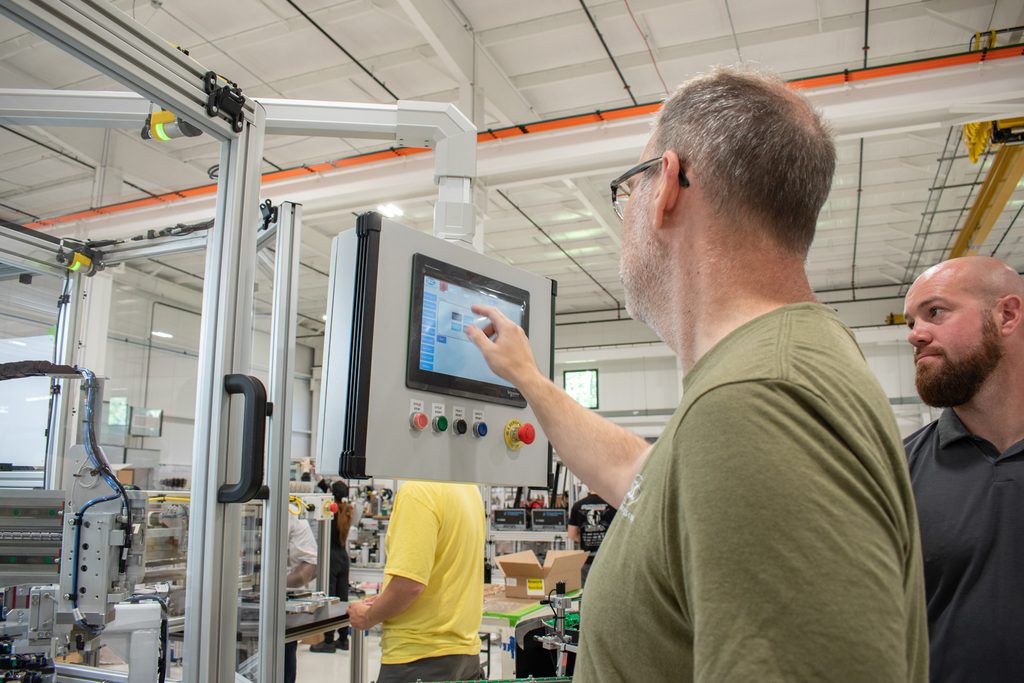
Typically, Factory Acceptance Testing (FAT) takes place at SDC. After passing the agreed criteria, the machine is prepared for shipment and installed at the customer’s facility. Our team supports installation, startup, operator training, and Site Acceptance Testing (SAT), generally working to complete these activities in close succession. Training and startup responsibilities can be written into the scope.
The takeaway: Document requirements, assumptions, responsibilities, and acceptance criteria early. If a capability matters, make sure it is part of the agreed scope.
5. Making Late Changes to Custom Machine Design
Changes are normal in custom automation. Unlike purchasing standard equipment, custom machine building often involves developing a solution that has never been built in exactly the same way before.
Sometimes a customer’s product is still evolving, or the equipment will support a new manufacturing process or first production run. As engineering progresses, new information becomes available.
The challenge is understanding how a change affects the rest of the project. A seemingly minor part-design adjustment can affect tooling, feeding, assembly, inspection, or multiple stations. A change during concept development may be straightforward; the same change after components are manufactured can require significant rework.
At SDC, we work with customers to understand options and tradeoffs. Sometimes the right decision is to make a change immediately and accept a schedule or budget adjustment. Other times, it is better to deliver the original machine, begin production, and add functionality in a later modification.
The takeaway: Expect changes, but communicate them early. Understand the potential impact on cost, schedule, and performance before deciding how to proceed.
6. Overlooking Automation System Integration
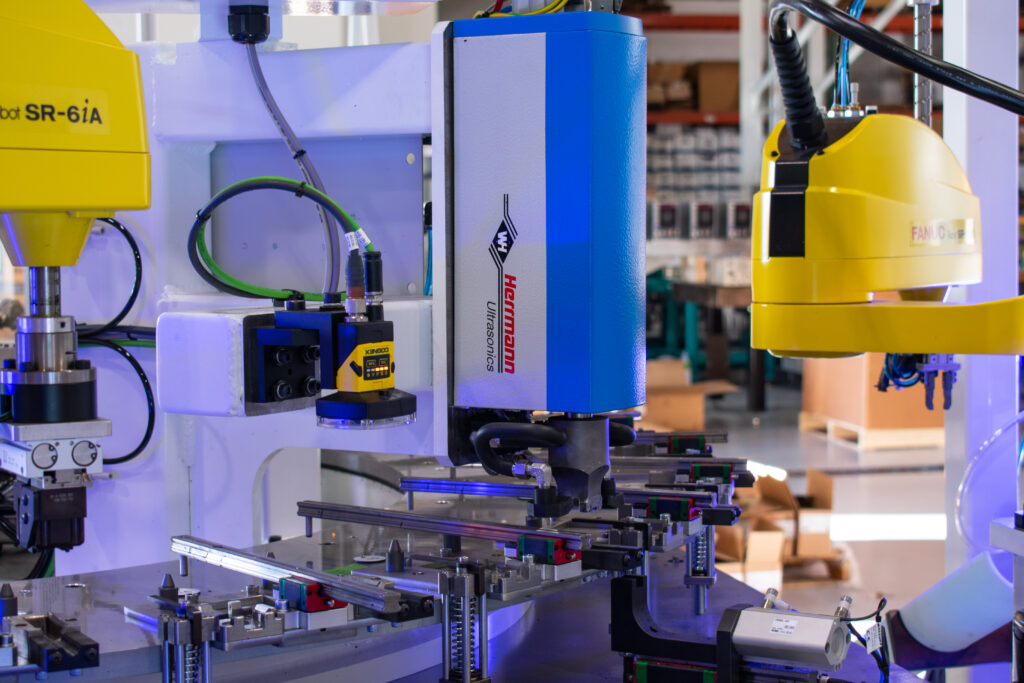
A custom automation system may bring together robotic handling, part feeding, vision inspection, assembly, ultrasonic welding, testing, and automated offloading. Each component may work independently, but the complete system must operate together to deliver the intended result.
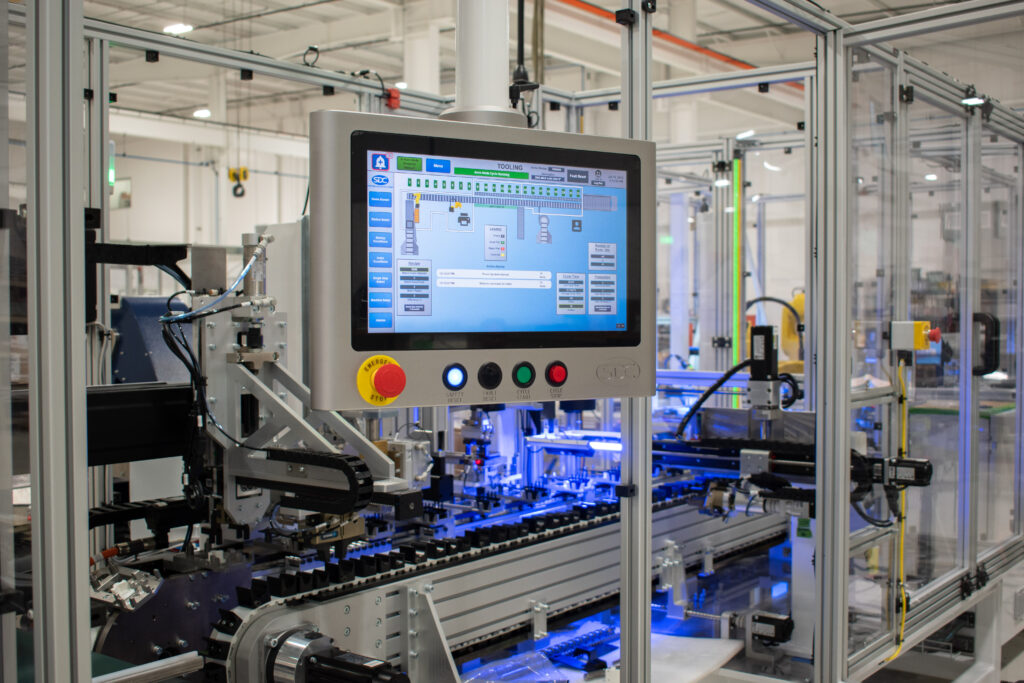
That integration requires coordinated mechanical design, electrical controls, programming, sequencing, communication, and material flow.
SDC’s primary focus is complete, standalone automation systems. A typical machine takes raw components, feeds and orients them, performs assembly and inspection, and offloads a finished assembly or subassembly. We also integrate with existing customer equipment, including presses, injection molding equipment, and downstream lines.
We regularly incorporate technologies from specialized suppliers, such as industrial robots, vision systems, and welding equipment. But we generally prefer to take responsibility for the complete automated system we deliver. That allows our engineering team to coordinate the solution as a whole and gives the customer a clear point of responsibility for overall performance.
Learn more about the difference between a custom machine builder and a systems integrator.
The takeaway: Evaluate the whole system, not just individual components. Clear system-level responsibility supports performance, troubleshooting, and long-term service.
7. Designing for Runoff Instead of Production
Passing machine runoff is an important milestone, but it is not the finish line. The real measure is how the equipment performs in the customer’s manufacturing environment.
Engineers must consider maintainability, operator interaction, and support during design. At SDC, mechanical engineers think about where the operator stands, how materials are loaded, where access doors belong, how guarding functions, which components wear, and how easily those components can be replaced.
A wear component that requires extensive disassembly to replace can turn routine maintenance into unnecessary downtime. Poorly positioned access doors or difficult material-loading locations can make an otherwise capable machine frustrating to operate.
We also believe customers should have the information and training needed to operate and maintain their equipment. SDC delivers machines with documentation and appropriate access for operation, maintenance, troubleshooting, and supported changes to programs or part configurations. SDC retains its proprietary machine design rights.
After installation and acceptance, our standard one-year warranty provides support for issues where equipment does not perform as designed and agreed. We remain available for service, training, and future modifications beyond the warranty period.
The takeaway: Consider maintenance access, operator usability, training, documentation, and support in the initial design—not only at runoff.
The Common Thread: Communication and Collaboration
Successful automation requires clear, consistent communication between the manufacturer and the machine builder. At SDC, project management is a central part of that process.
Our project management team uses proprietary customer-facing dashboards and other communication tools to keep customers informed about progress, decisions, and developing issues. But technology is only part of the equation. Sometimes the most effective way to resolve a question is to pick up the phone.
When engineers need to make an assumption, that is a signal to communicate with the customer and confirm it rather than allowing uncertainty to carry forward into the design. Open dialogue helps both teams make better decisions before small issues become larger problems.
Custom automation will always involve uncertainty. The objective is not to predict every detail from the beginning; it is to build a strong engineering foundation, stay transparent, and work together toward a successful outcome.
Building Automation That Works
Avoiding custom automation mistakes starts before the first component is manufactured. It begins with understanding the manufacturing challenge, evaluating the technical approach, establishing realistic requirements, and building a partnership that supports good decisions.
At Steven Douglas Corp., we’ve spent more than 25 years designing and building custom automated machines, with more than 1,500 machines built across a wide range of industries. Every project is different, but our approach remains consistent: understand the process, engineer a practical solution, communicate openly, and take ownership of the equipment we deliver.
Because ultimately, the goal isn’t just a machine that passes acceptance testing. It’s a machine that works in production, supported by a partnership that lasts.
Engineering Excellence. Trusted Partnerships.
Whether you have a developed RFQ or are still evaluating how to automate a process, SDC’s engineering team is ready to scope the right solution for your application.
FAQs (Frequently Asked Questions)
Q: What are the most common custom automation mistakes?
A: Common automation project risks include unclear project scope, unrealistic assumptions about production parts, changing requirements, incomplete integration planning, and acceptance criteria that are not agreed upon early.
Q: What should manufacturers define before requesting an automation quote?
A: Define the production goal, required output, part drawings and representative samples, acceptable defects, current and future volumes, interfaces, technical responsibilities, and expected acceptance criteria.
Q: What should factory acceptance testing criteria include?
A: Factory acceptance testing criteria should include measurable targets such as production rate, part quantities, test duration, and quality requirements. Both teams should agree on these criteria during quoting, not at runoff. Clear criteria keep the machine builder and the manufacturer working toward the same definition of success.
Q: When should custom automation project planning begin?
A: Custom automation project planning should begin before you request a quote. Start with a defined manufacturing challenge, representative production samples, and current and future volume targets. Clear automation project requirements give the machine builder time to evaluate multiple concepts before engineering commits to a design.
Q: What support does SDC provide after a machine is installed?
A: Every SDC machine ships with documentation and operator training to support daily operation and automation machine maintenance. SDC’s standard one-year warranty covers issues where the equipment does not perform as designed and agreed. After the warranty period, SDC remains available for service, training, and future modifications.