
The Machines That Stopped Foot Traffic
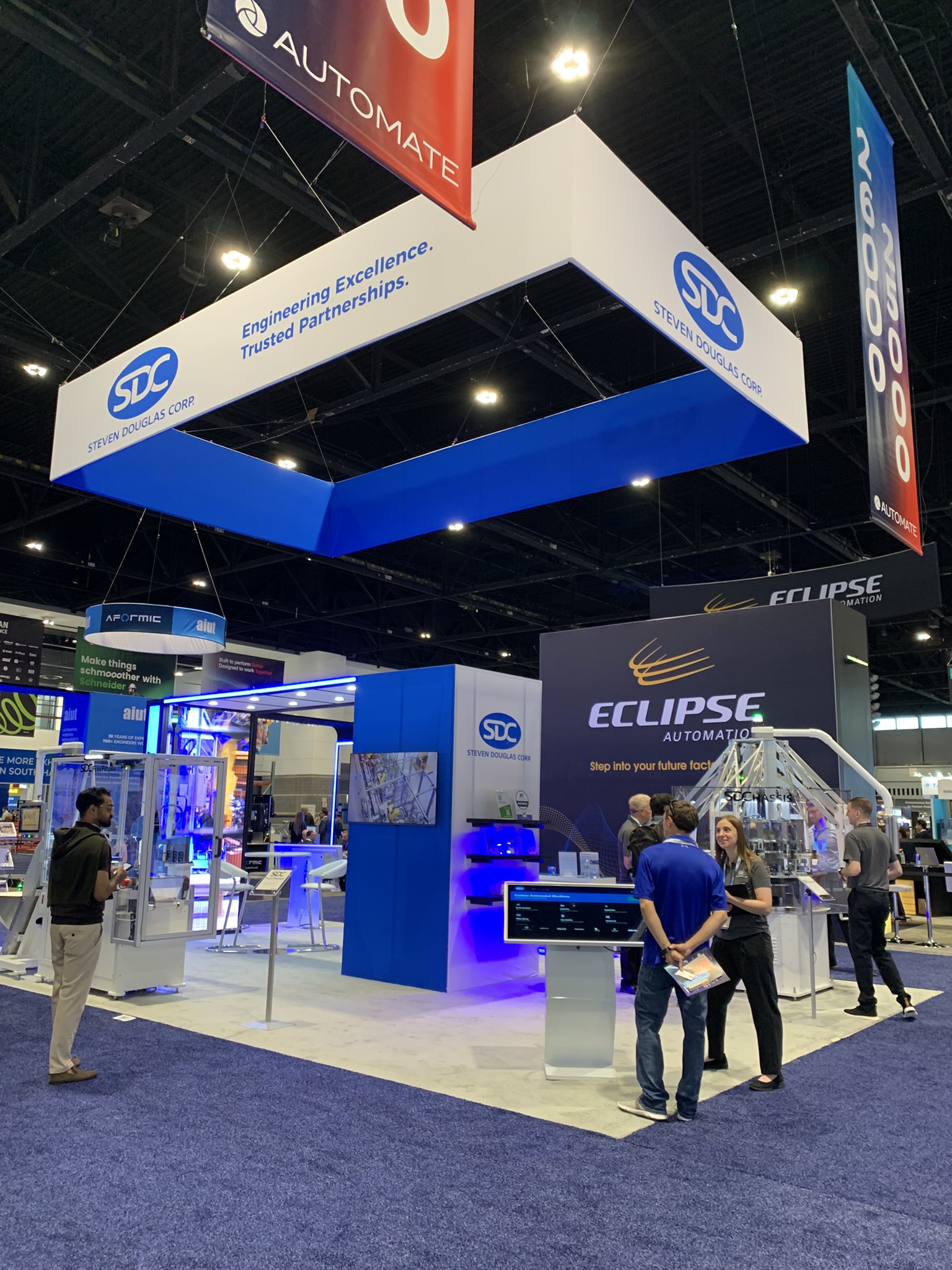
Every year, the Automate Show gives us a real snapshot of the manufacturing industry. Not the press-release version — the version you get from thousands of engineers and plant managers, talking honestly about what they need. This Automate Show 2026 recap covers what stood out most: the clearest picture yet of what companies want from a custom automation partner, straight from McCormick Place in Chicago.
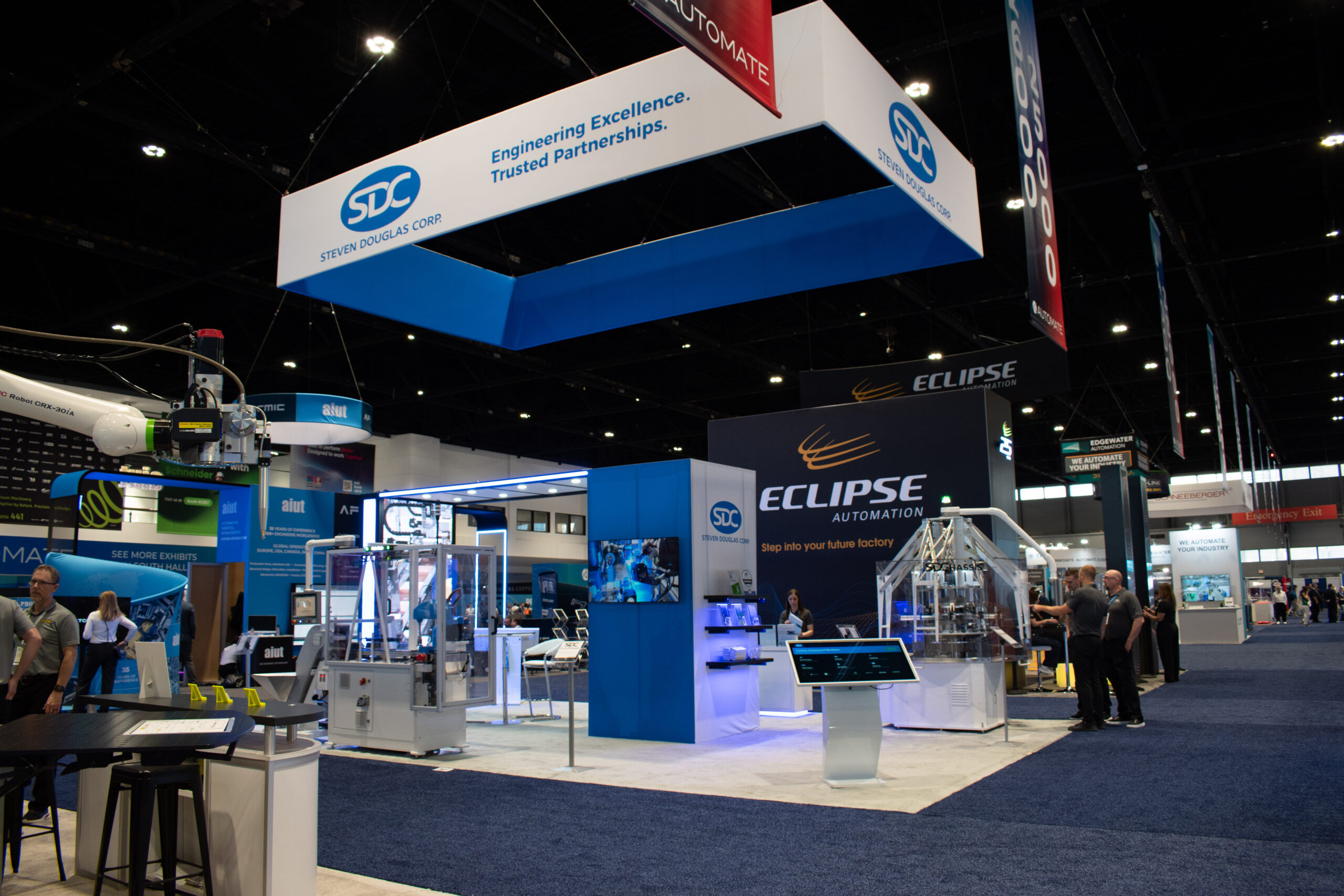
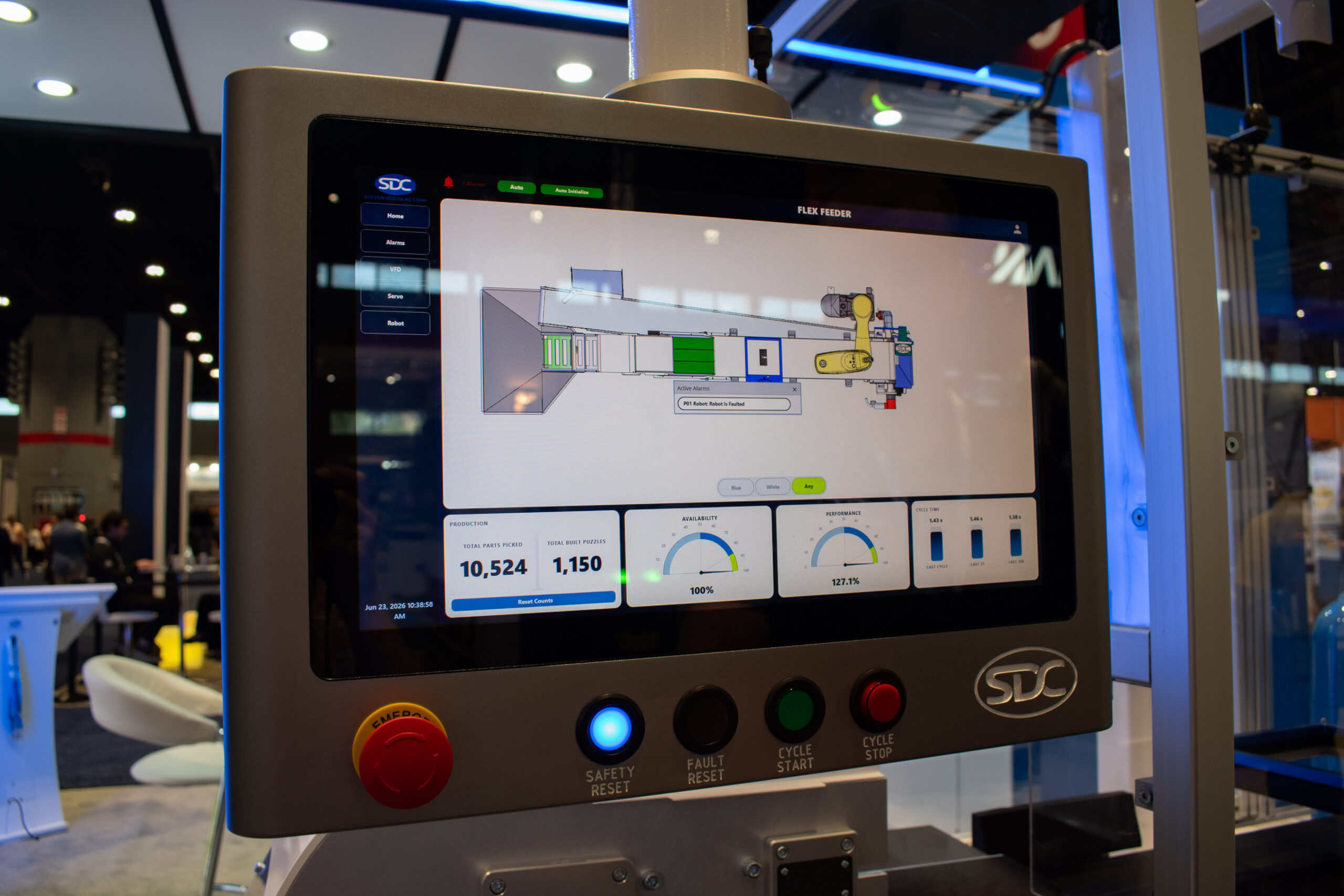
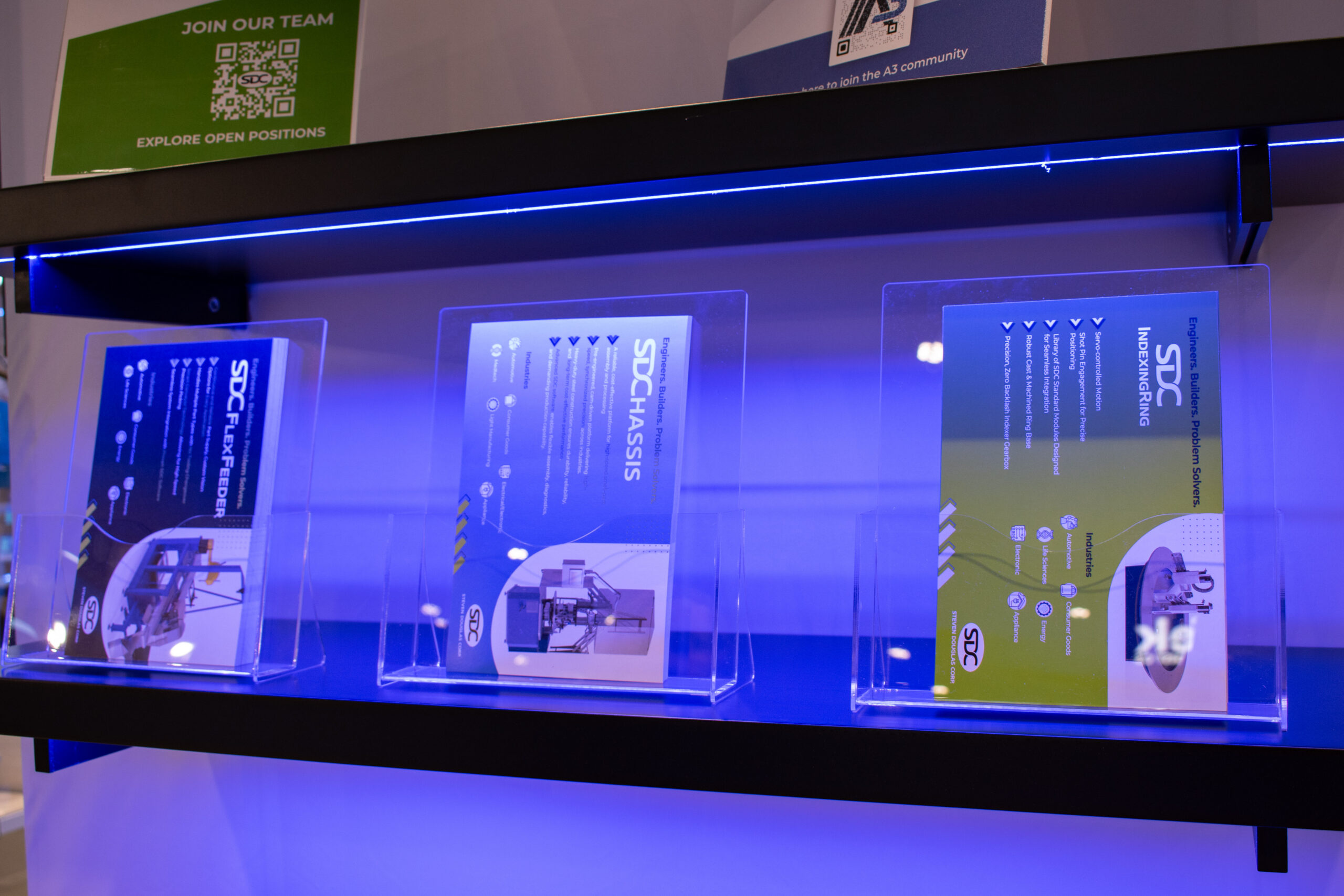
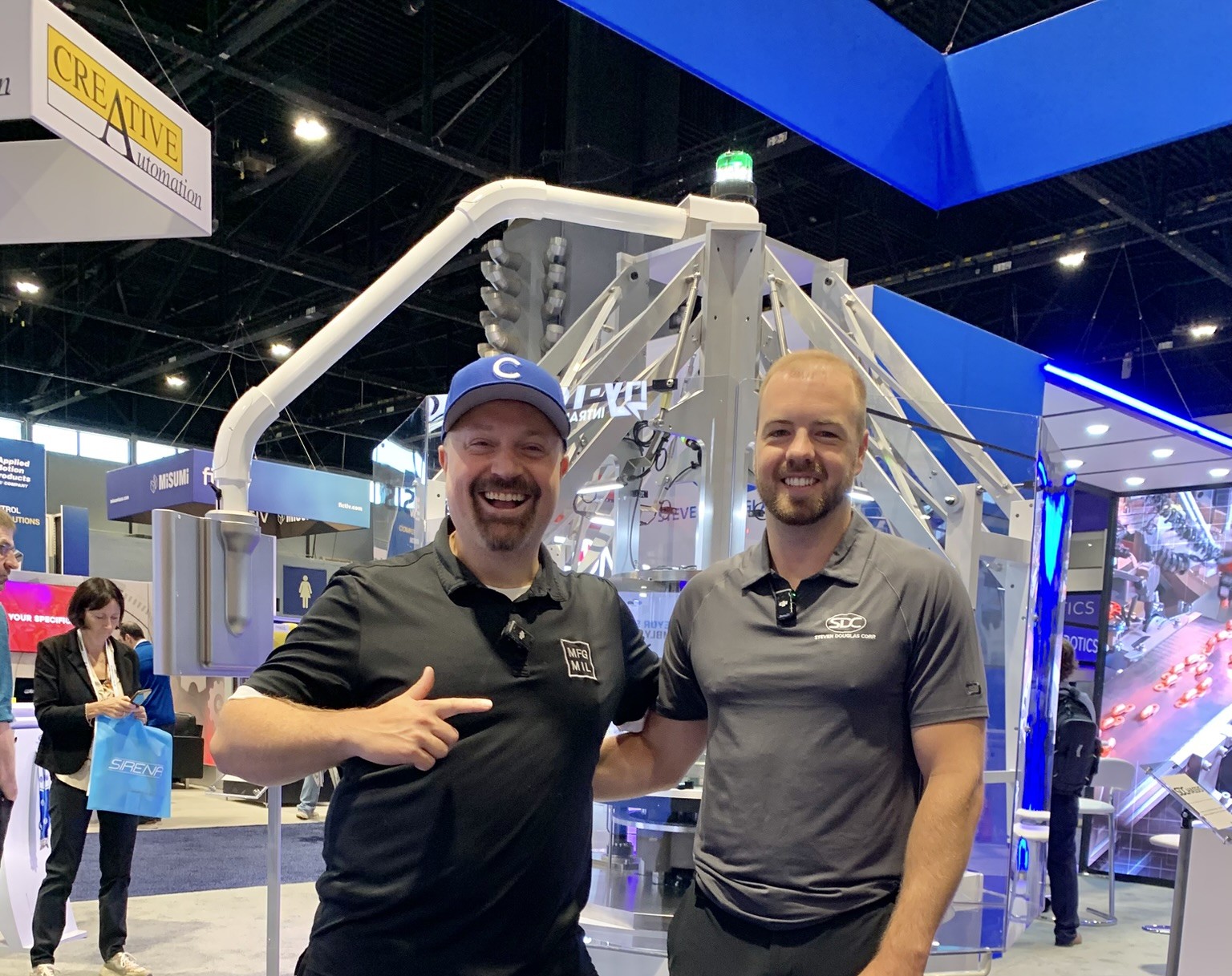
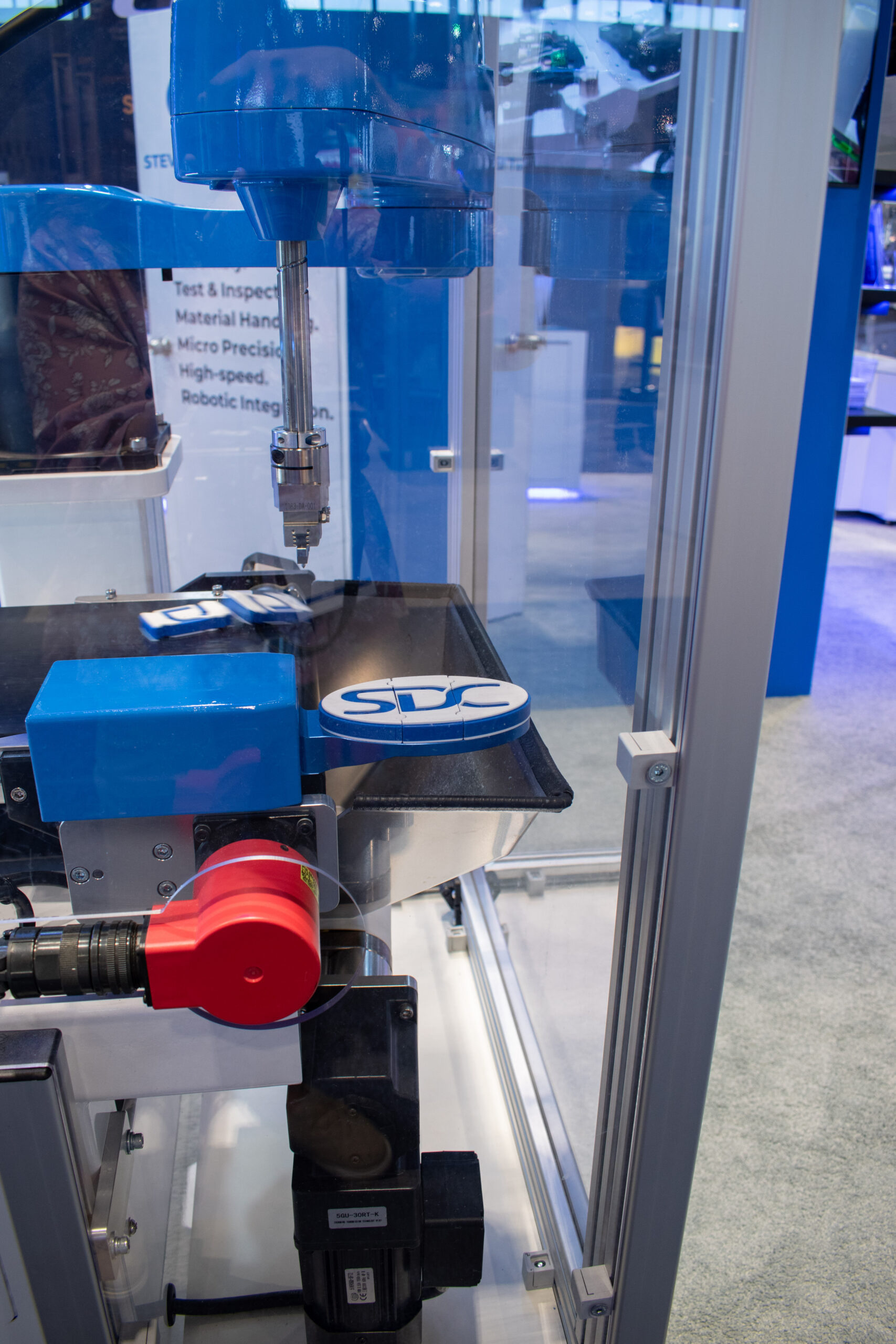
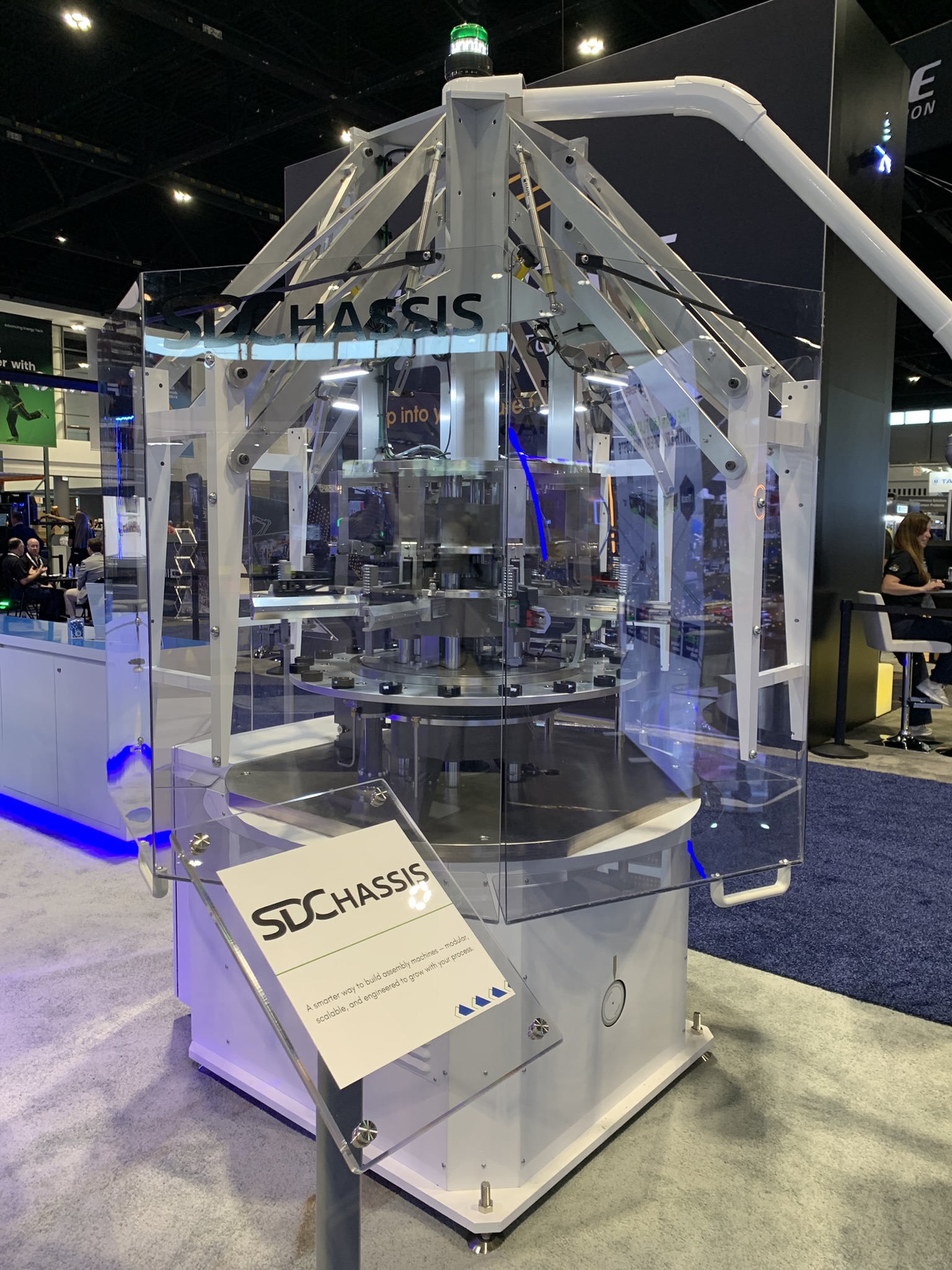
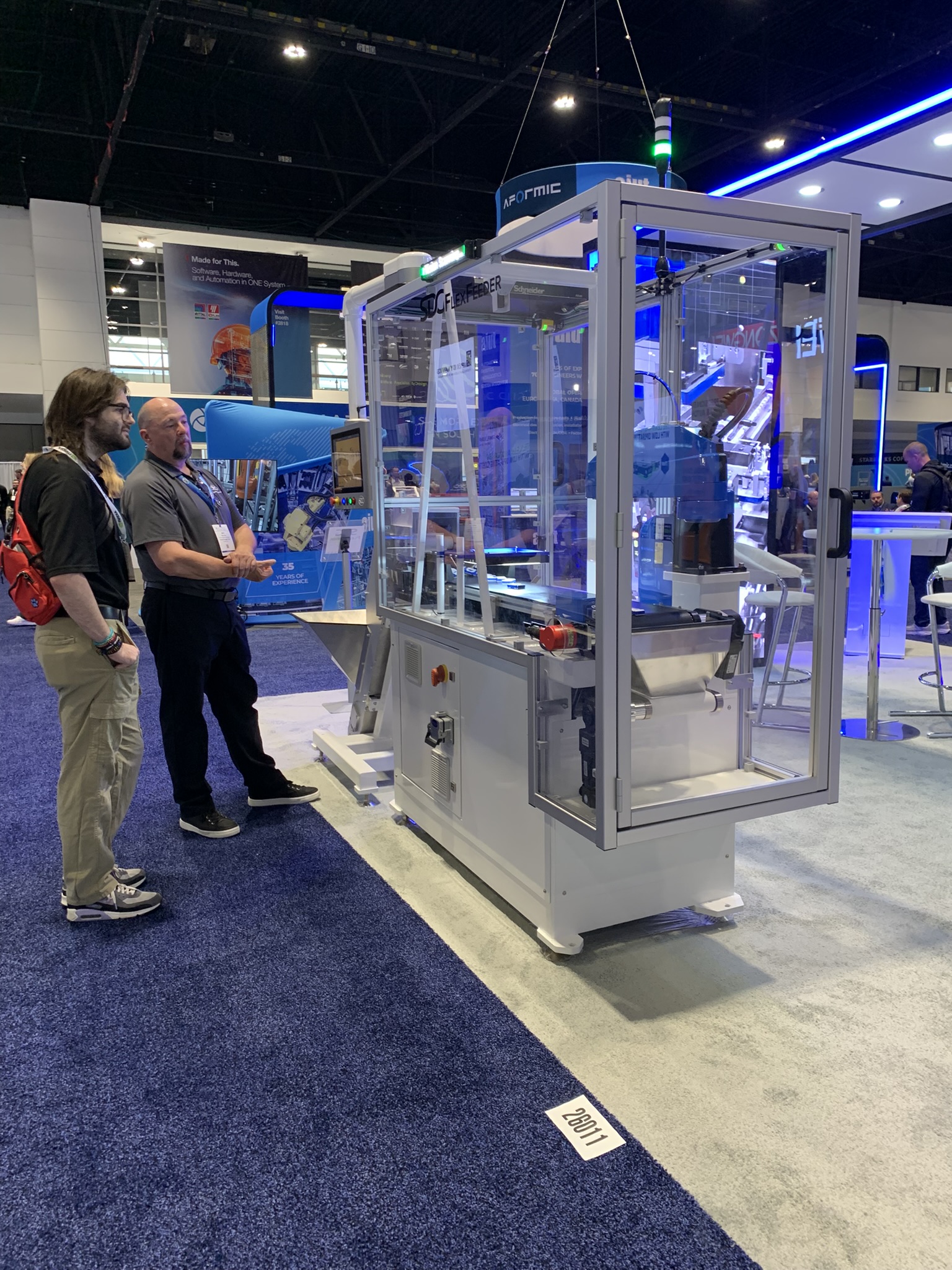
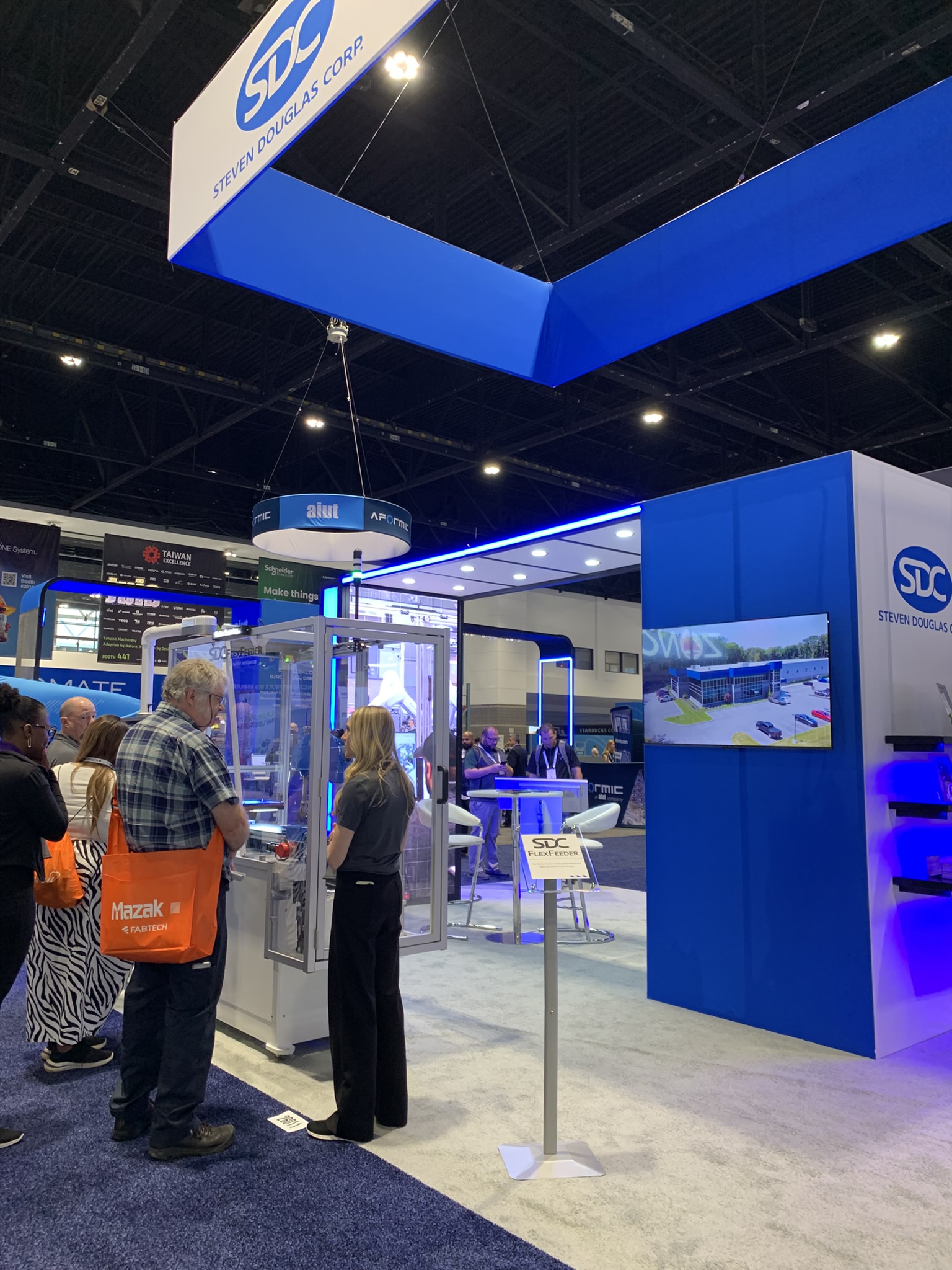
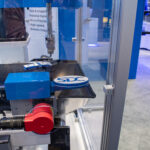
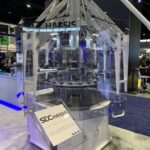
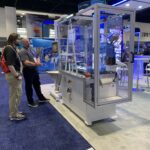
We brought two machines to the show floor: the SDChassis and the SDC Flex Feeder. Both ran live for all four days.
One lesson stood out fast: people stop for machines they can watch in action. Not a rendering. Not a spec sheet. A real machine, moving.
More than a few visitors asked, half-joking, if we’d started making poker chips. We hadn’t. But the demo did its job. It sparked a question. And that question opened the door to a real conversation about what we actually build.
What Manufacturers Told Us They Need
Once people stopped, the conversations got specific. We heard the same themes again and again:
- Teams moving from manual assembly to their first automated line
- Companies pushing existing systems from semi-automated to fully automated
- Fast-growing businesses that have handled automation in-house, and are now ready for an outside automation partner
- A strong appetite for equipment that can scale, instead of becoming outdated in a few years
Small-part, high-speed assembly came up a lot. As Ashley Cohen, VP of Growth, put it: “People kept seeing the chassis and flex feeder and connecting it straight to whatever they were trying to assemble.” That connection showed up across industries, each with its own spin on the same underlying problem.
Medical device makers asked about holding tight tolerances on parts too small to inspect by eye. Consumer product companies wanted more throughput without sacrificing accuracy. Life sciences teams brought questions about traceability — proving every part met spec, every time. And electronics manufacturers weren’t far behind, with more than one conversation touching on inspection and testing as components keep shrinking.
Where the Industry Is Headed
Automate 2026 made one thing obvious: the industry is moving fast, and everyone on the floor is trying to figure out where to place their bets next.
Humanoid robots were everywhere. Booth after booth had one walking, waving, or shaking hands with visitors. They drew crowds every time. But the conversations we had told a more grounded story: most manufacturers are excited to watch the technology develop, while still asking hard questions about reliability, cost, and real-world use on a production floor today.
AI came up constantly, too, sometimes in ways that stretched the term. We heard “AI” used to describe everything from vision systems to basic data logging. That tells us something useful: the label is outpacing the technology in a lot of conversations, and manufacturers are looking for partners who can cut through the buzzwords and explain what a system actually does.
Underneath the robots and the AI talk, the more durable trend was scalability. Companies don’t want to buy a machine that solves today’s problem and nothing else. They want equipment that can add stations, handle new part variations, and grow alongside their production needs. That shift, more than any single flashy demo, is what we think will shape automation buying decisions over the next few years.
Our Takeaway From the Show
Here’s the thread we’re carrying into our next year of work: manufacturers don’t just want speed and capability anymore. They want an automation partner who moves fast, communicates clearly, and understands their process before proposing a solution.
Being family-owned isn’t a footnote for us. It’s why we can make decisions in hours, not weeks. It’s also why the people who design your system are often the same people who show up when it’s running.
We like to think of it this way: large enough to handle the complex projects. Small enough to still care how each one turns out.
Conclusion
“When people have been asking me my take on the show, I’ve been telling them that we were pleasantly surprised with the amount of real applications that were presented to us during the show.”
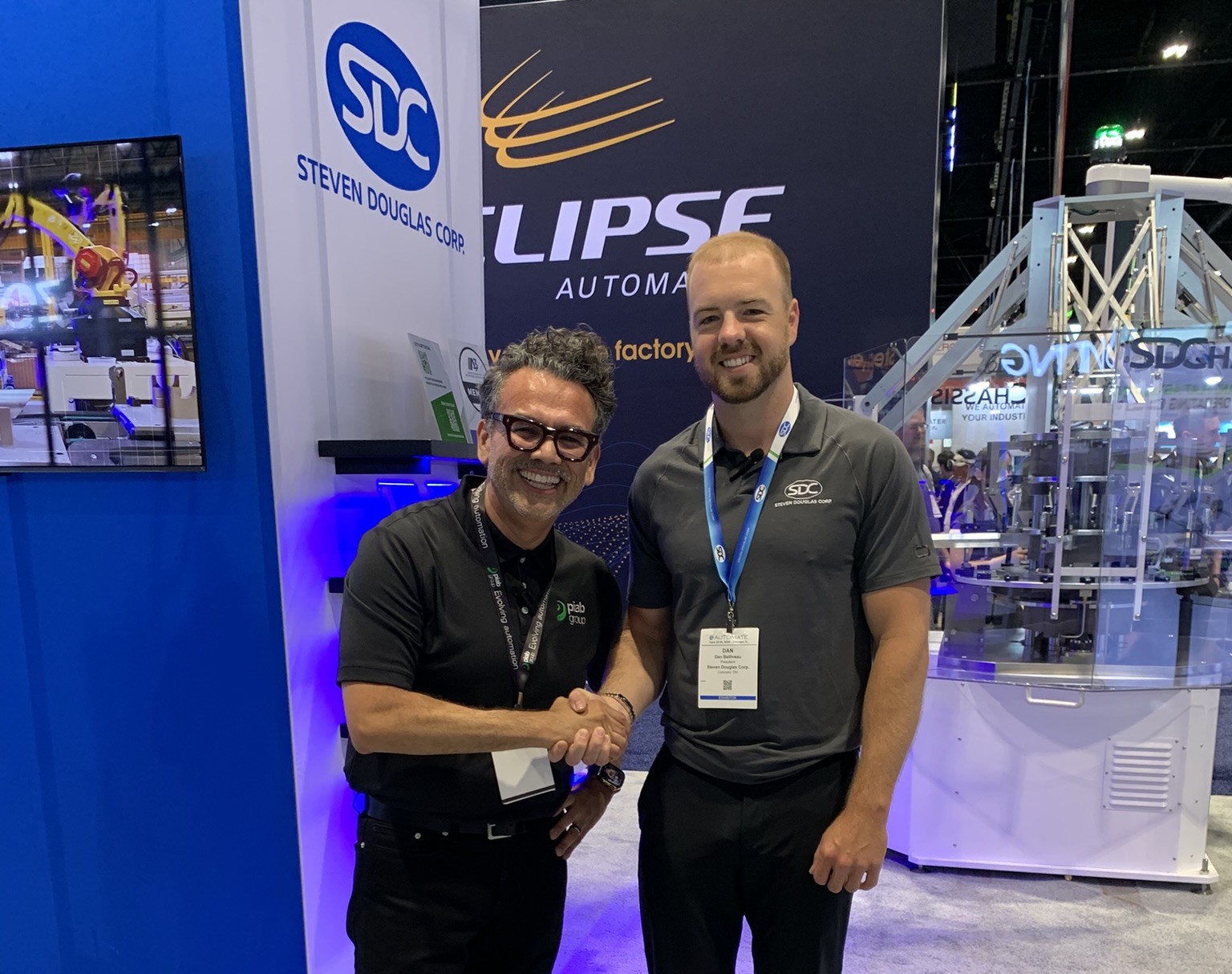
-Dan Belliveau, SDC President
We left Chicago with real projects to follow up on, a few new industries to explore, and a good reminder: even with all the impressive tech on the floor, the best conversations are still simple ones. A manufacturing challenge comes up, and a machine is already taking shape in our heads — we’re already three steps into solving it.
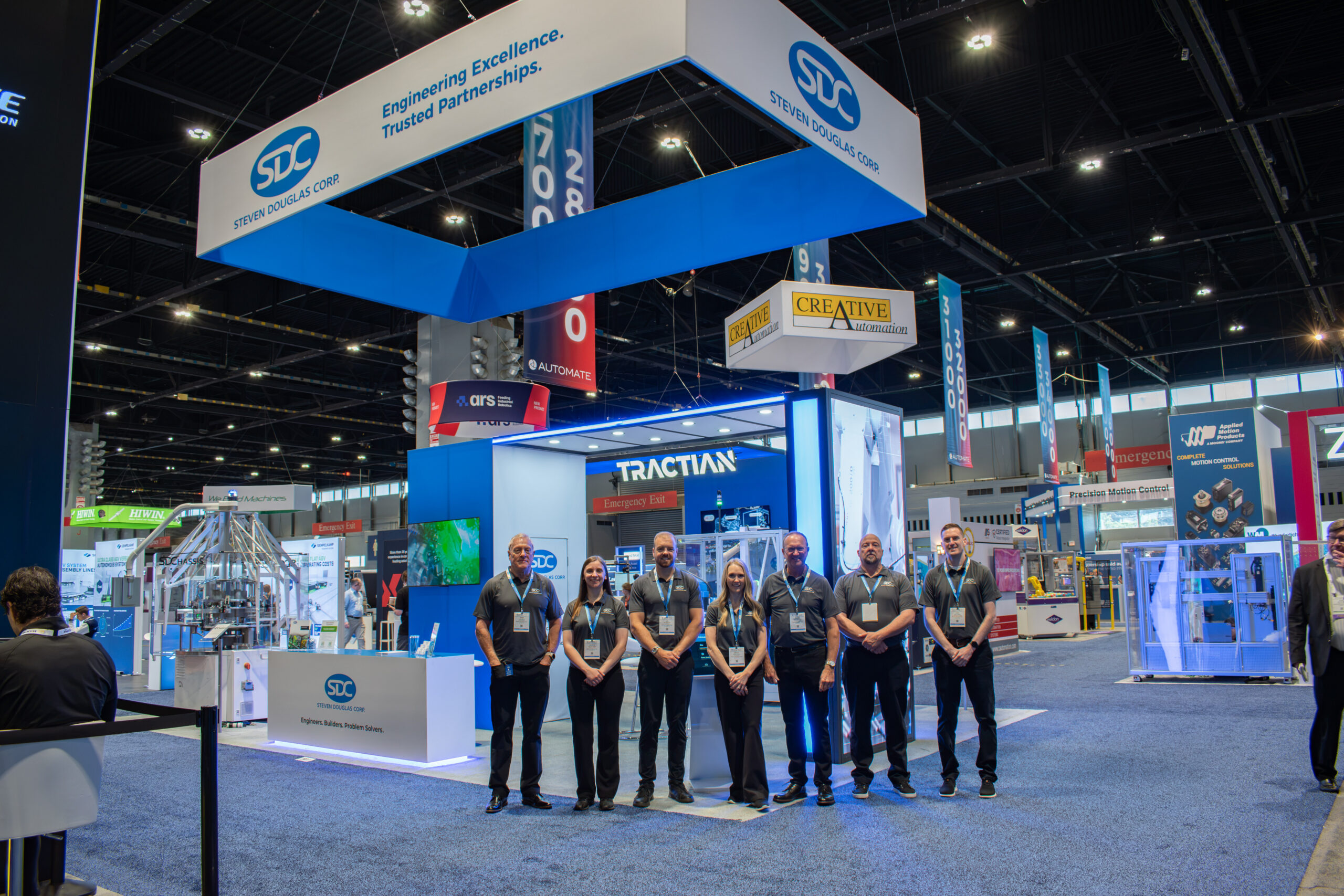
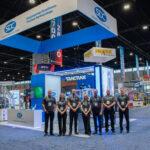
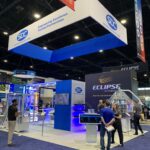
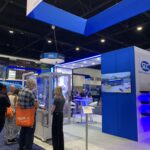
Thanks to everyone who stopped by Booth #26011 — whether you stayed for the full pitch or just wanted a poker chip souvenir. We’ll see you next year in Vegas!
FAQs (Frequently Asked Questions)
Who is SDC?
Steven Douglas Corp. (SDC) is a family-owned custom automated machine builder headquartered in northeast Ohio. Since 1998, our team has designed, engineered, and built machines that support manufacturing processes worldwide.
What makes SDC different from larger automation companies?
SDC keeps design, build, run-off, and support all in-house, handled by the same core team from start to finish. Larger integrators often pass a project between departments or subcontractors along the way. At SDC, the engineers who spec your machine are the same ones testing it before it ships — and the same ones you call after it’s running.
What machines did SDC bring to Automate 2026?
SDC brought two live machines to the show floor: the SDChassis and the SDC Flex Feeder, both running for all four days of the show.
What industries does SDC serve?
SDC builds custom automated machines across a broad range of industries, including automotive, life sciences, electronics, consumer products, and aerospace, with more than 1,500 projects completed since 1998.
How can I connect with SDC after the show?
Reach out to our sales team at sales@sdcautomation.com — we’re ready to start scoping your next project.