
The Electronics Industry Is Moving Faster Than Legacy Test Systems Were Built For
The electronics industry doesn’t slow down for infrastructure. The pace of manufacturing has outgrown the systems a lot of facilities are still running on. Devices are smaller. Tolerances are tighter. Component complexity has increased steadily while cycle time expectations have gone in the opposite direction. According to the Association for Advancing Automation (A3), the semiconductor, electronics, and photonics sectors saw an 18% surge in robot orders in Q2 2025 alone — and automated electrical testing machines are at the center of that shift.
Electrical testing sits right at the center of that pressure. It’s not a step that can be skipped, shortened, or approximated. Every component that ships needs to meet spec. For manufacturers of small electronic parts — circuit boards, connectors, RF assemblies, precision subcomponents — the test process has to be as precise and repeatable as the parts themselves.
Legacy Systems, Modern Demands
A lot of the test infrastructure on production floors today wasn’t designed for this. Older test setups weren’t built with today’s data requirements in mind. The gap between what they deliver and what the market expects has been widening ever since. Some of the most common limitations manufacturers are running into:
- Oversized fixtures and multi-station benchtop arrangements that consume floor space modern compact systems no longer require
- Calibration drift in aging equipment that wasn’t designed for the tolerances current components demand
- Little to no automated data capture, leaving traceability dependent on manual logging
- Test architectures built around older part geometries that don’t translate cleanly to today’s smaller, more complex assemblies
The technology behind a modern automated electrical testing machine looks fundamentally different from what was available even a decade ago — and that gap is now wide enough that it’s showing up directly in production outcomes.
What that looks like in practice is worth understanding in detail.
What a Modern Automated Electrical Testing Machine Actually Does
Precision is the baseline. Everything else — speed, traceability, safety — follows from it.
The clearest way to understand what’s changed is to look at what current automated electrical testing machines can do at the component level. For small parts, getting it right isn’t optional.
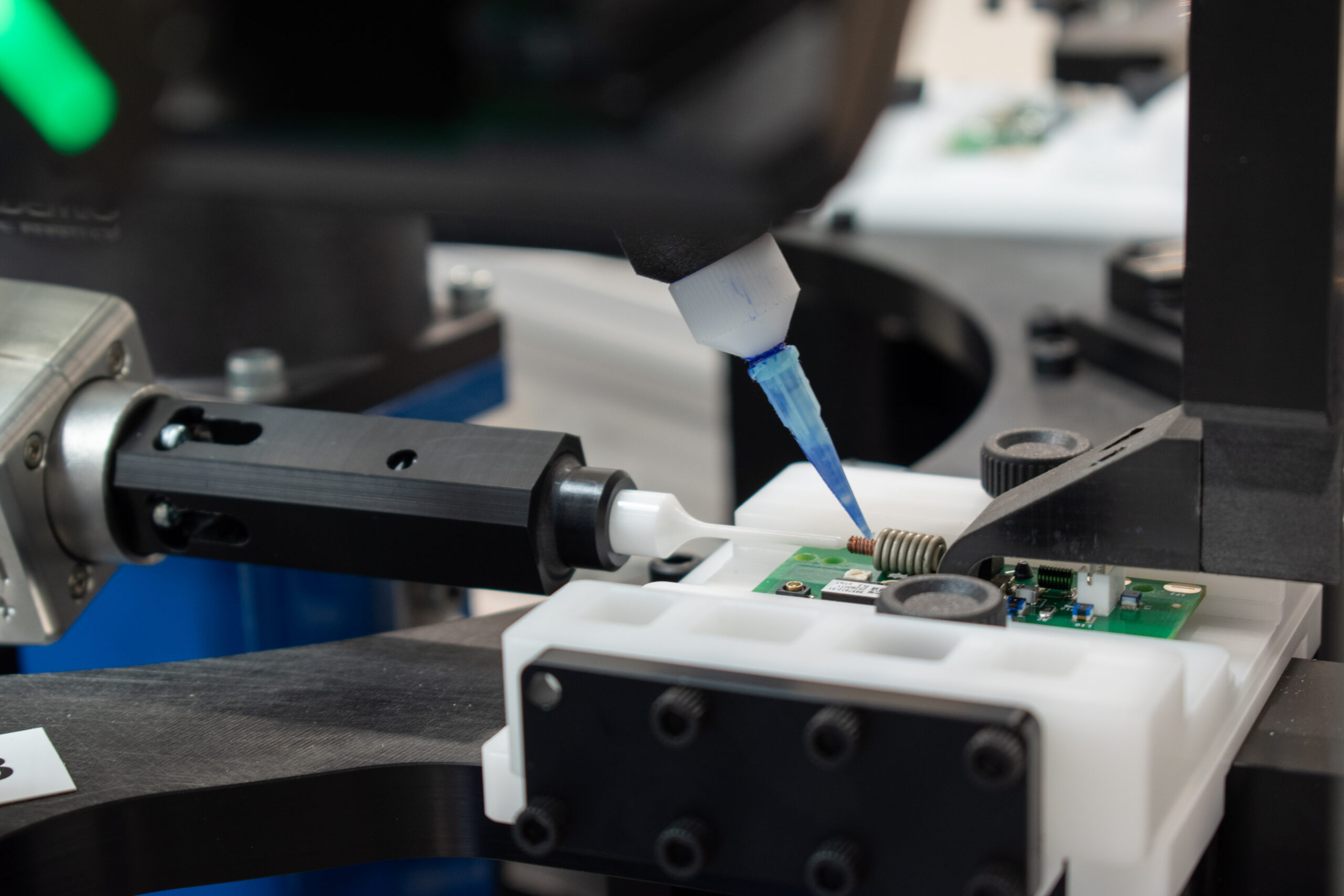
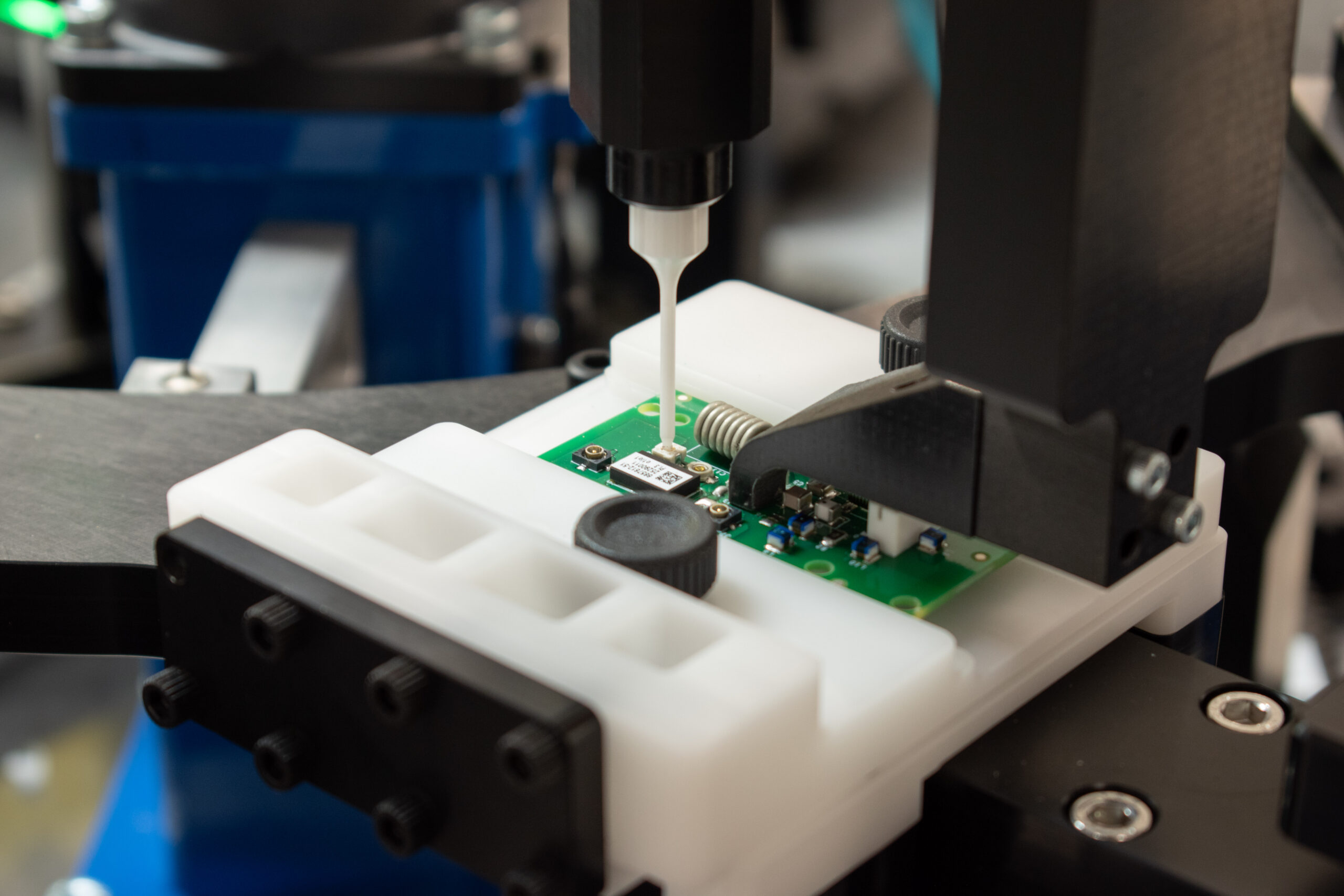
A recent example from the medical device space illustrates this well. The challenge was tuning RF circuit boards to spec. Technicians had to read electrical measurements, make physical adjustments to screws, potentiometers, and capacitors, and confirm the results — an iterative process that had to be executed correctly on every single board. The work demanded precise material handling and accurate test instrumentation running simultaneously, in a compact workspace, without introducing interference into live RF measurements.
The machine built to solve it brought together a carefully selected set of components, each chosen for the specific role it needed to play:
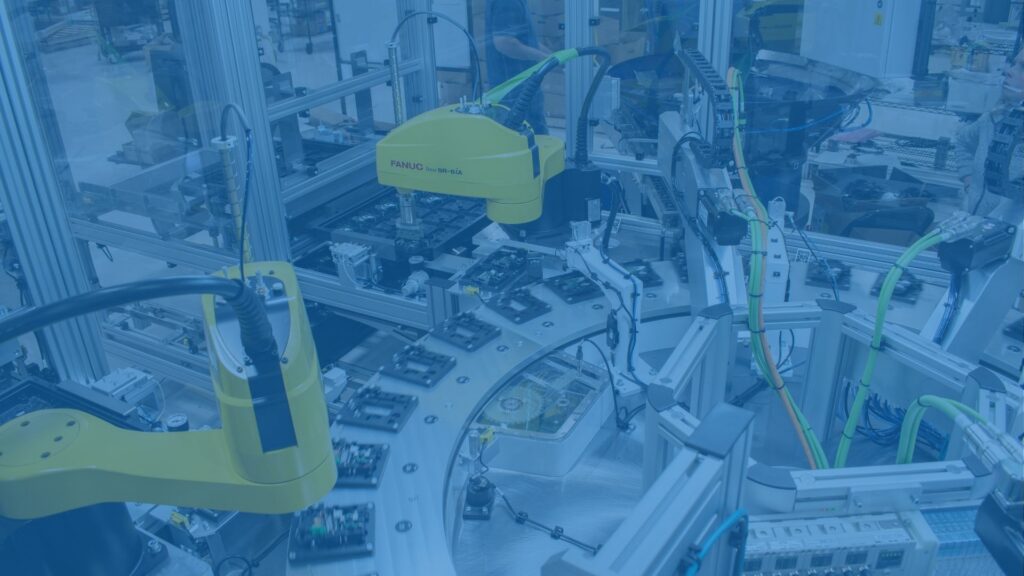
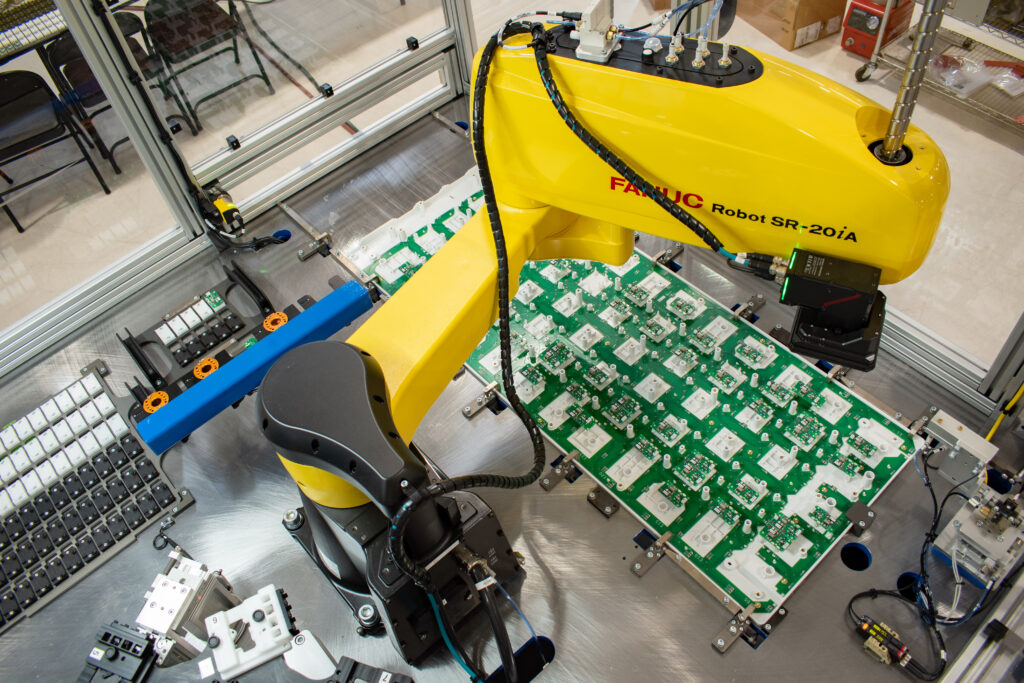
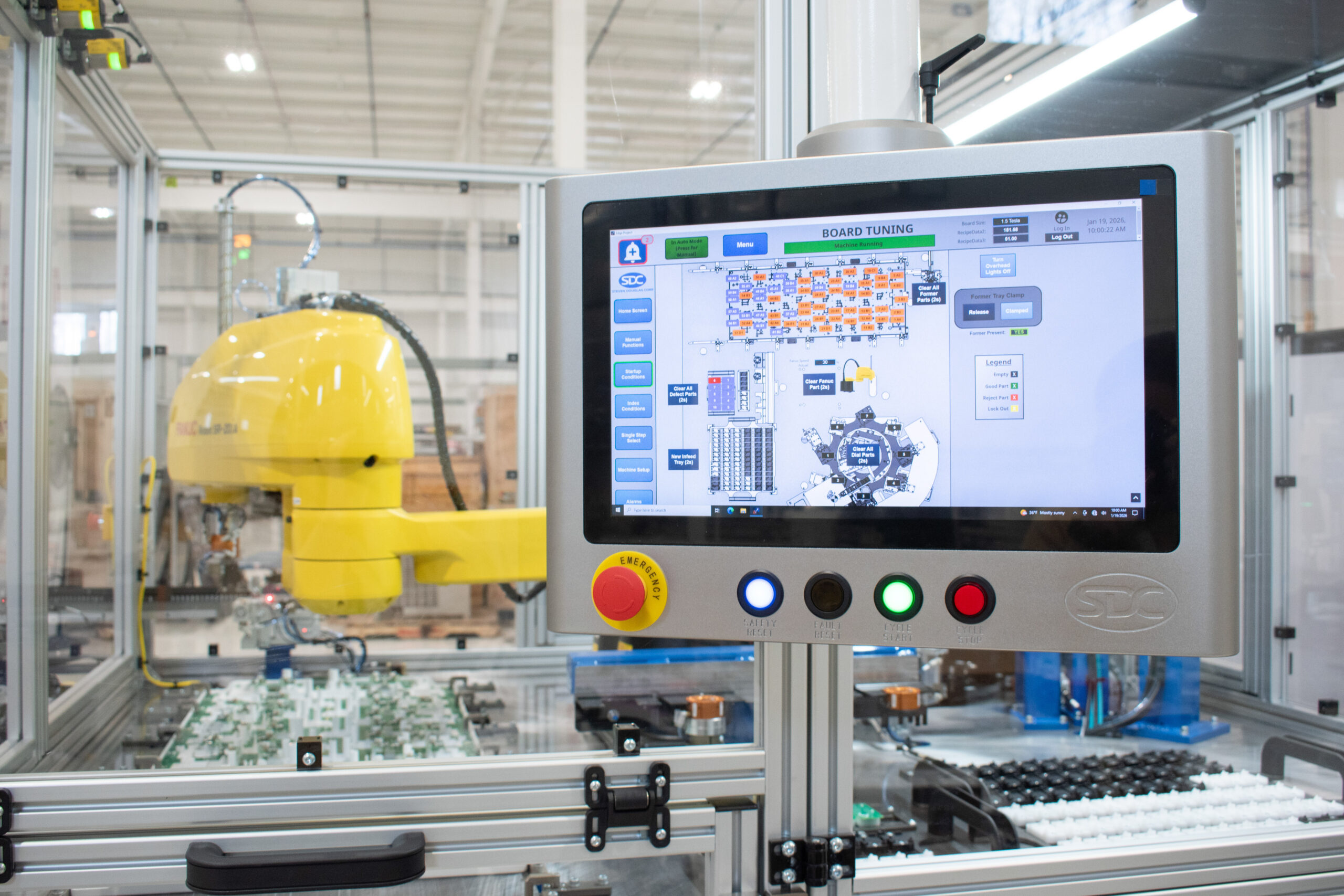
- FANUC SR-20iA SCARA robot — handled all material movement, including picking boards from infeed trays, reading barcodes, loading the indexing table, and routing rejects
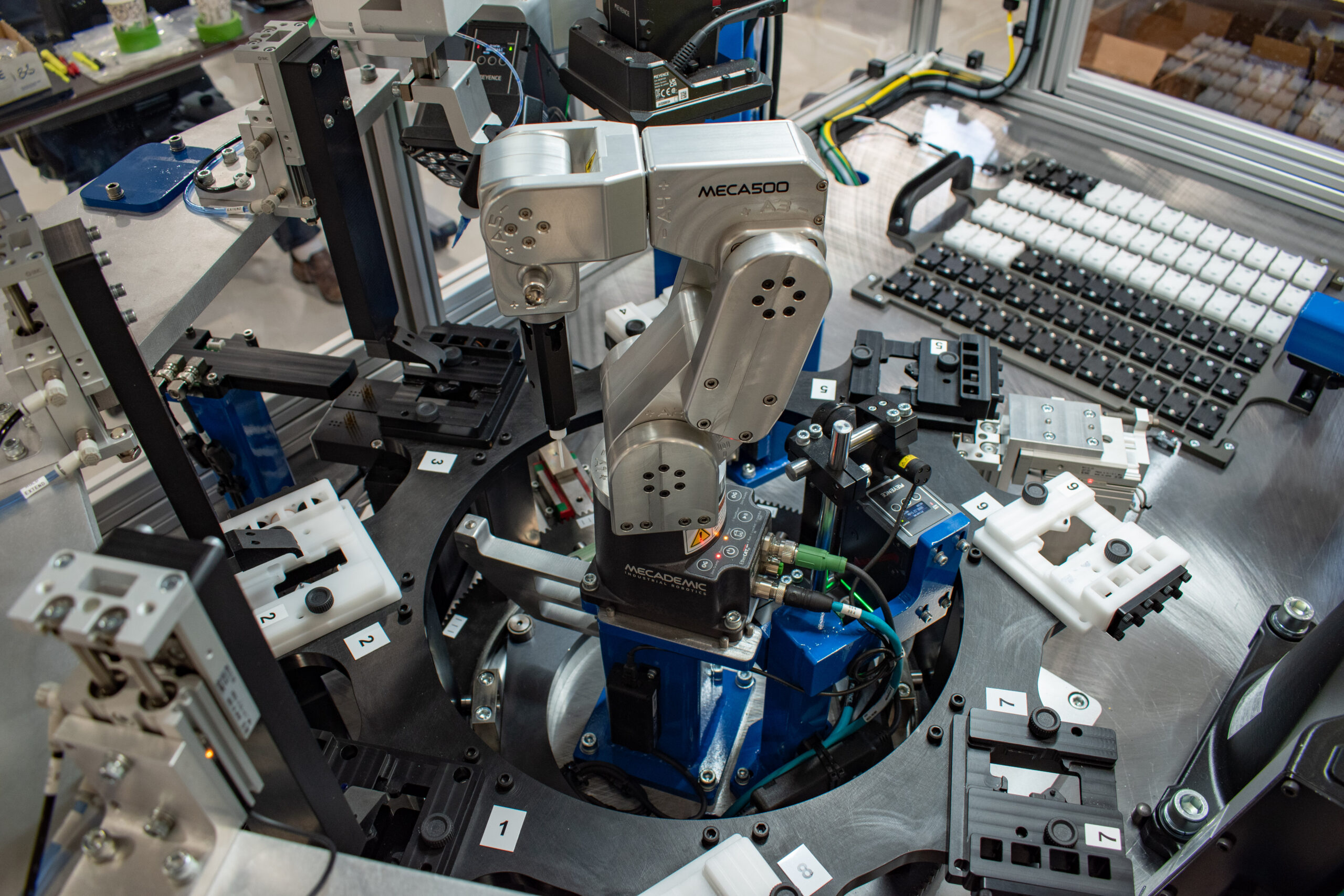
- Mecademic Meca500 robot — performed all tuning operations using a ceramic screwdriver, chosen for its compact footprint and ability to execute multiple continuous revolutions in a tight workspace without interfering with live RF measurements
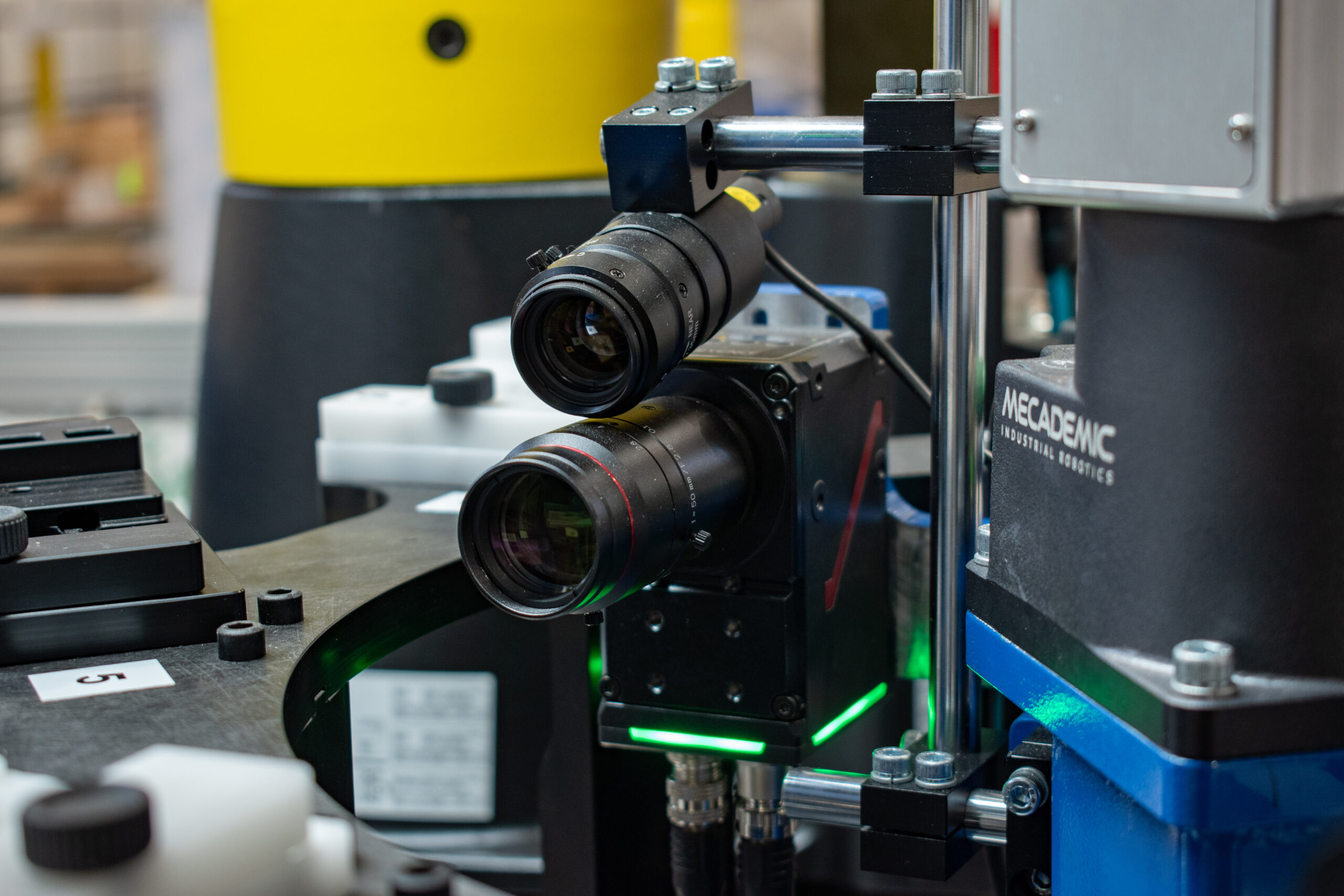
- Three Keyence vision systems — tracked component positions in real time throughout the tuning sequence
- Network analyzers and source measure units — validated RF performance and DC current draw at each station
- Keyence Multi-Sensor Ionizer — actively eliminated static electricity across the entire indexing dial throughout every cycle
- Circular miniature indexing table — consolidated the full multi-step process into a single, space-efficient machine footprint
The result: approximately two minutes per board. Up to 70 boards per former assembly completed in 2.3 hours. Full board-level traceability exchanged automatically with the plant information system. Automatic calibration every eight hours with all data logged. That kind of performance — at that cycle time, with that traceability — is increasingly the benchmark, not the exception.
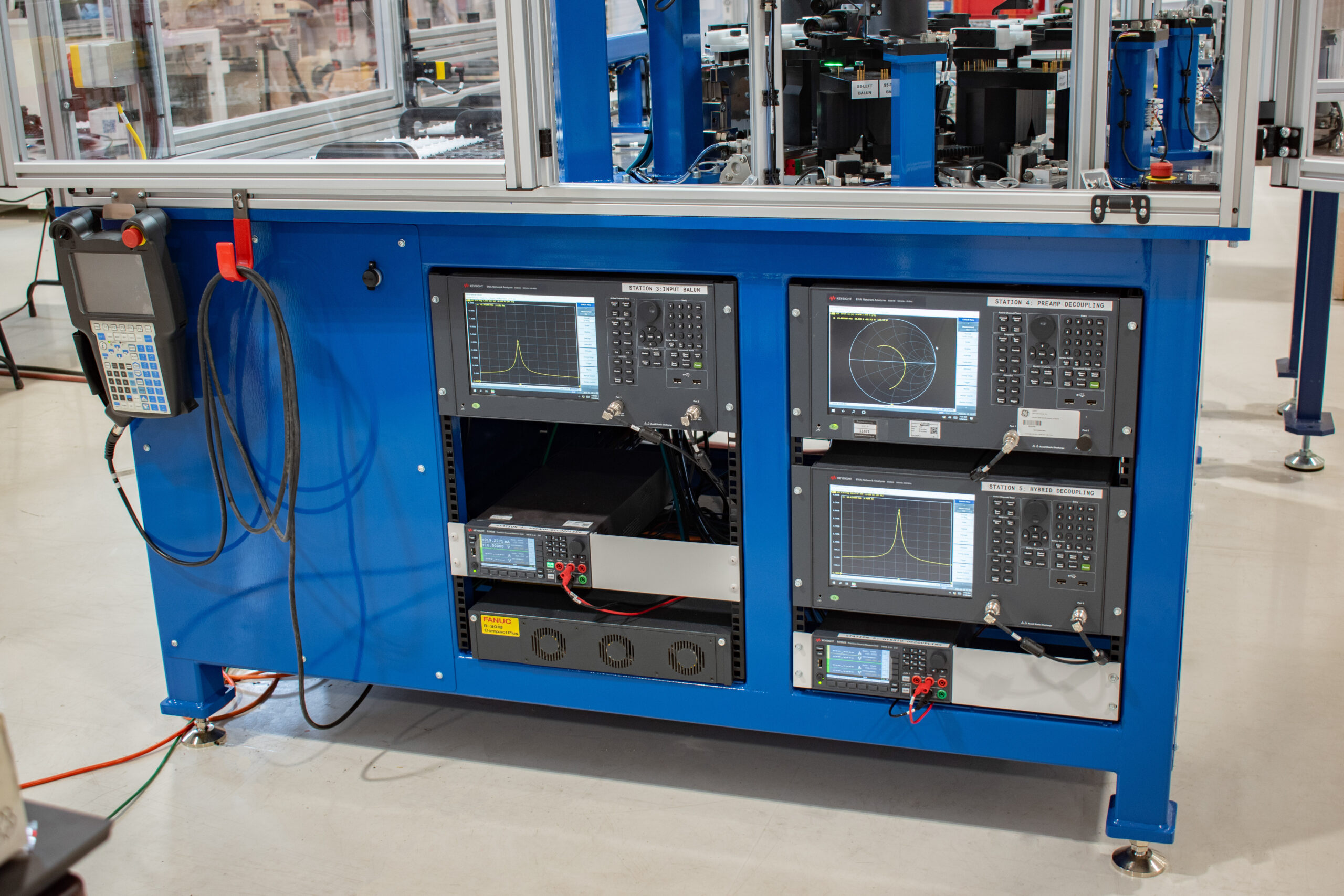
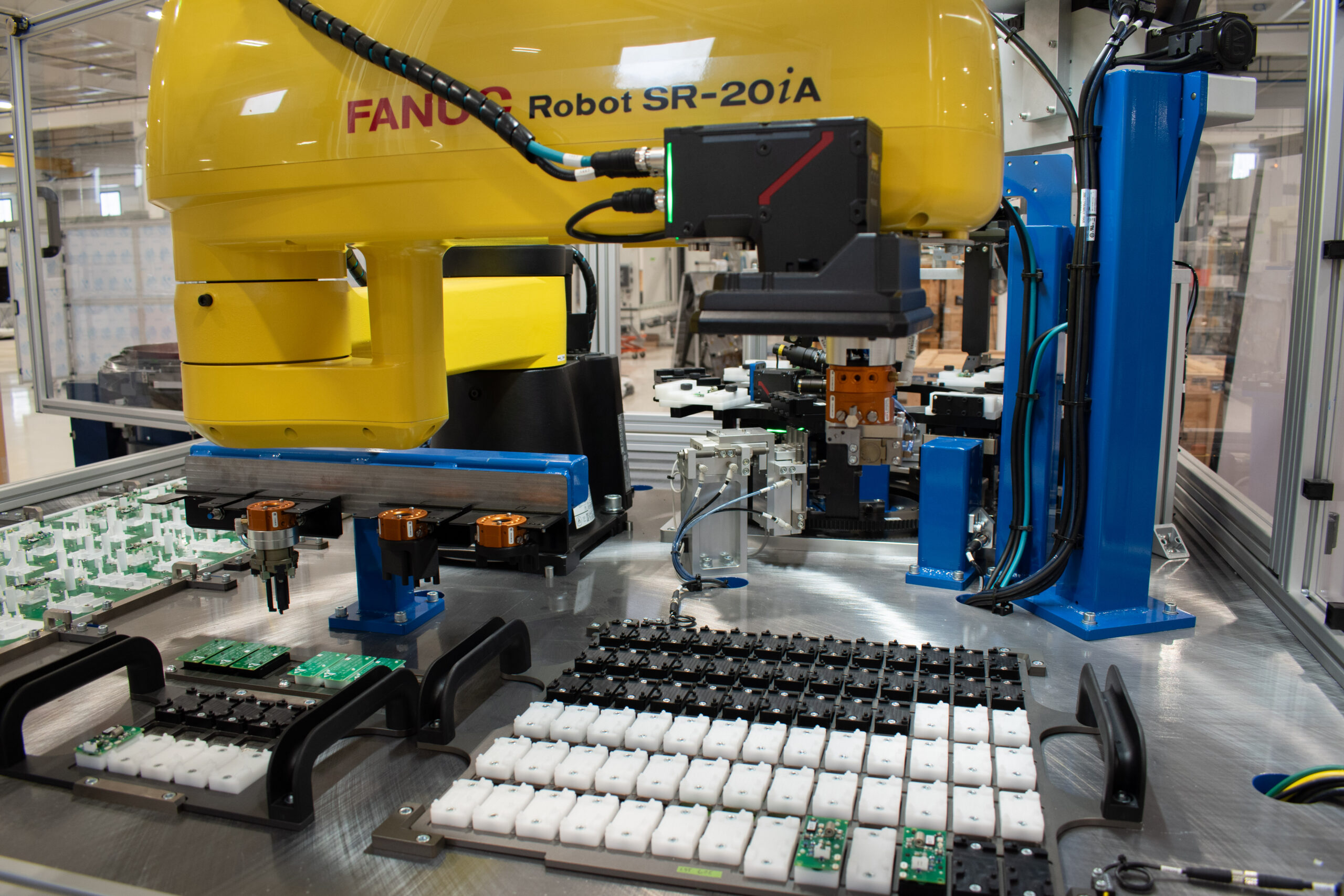
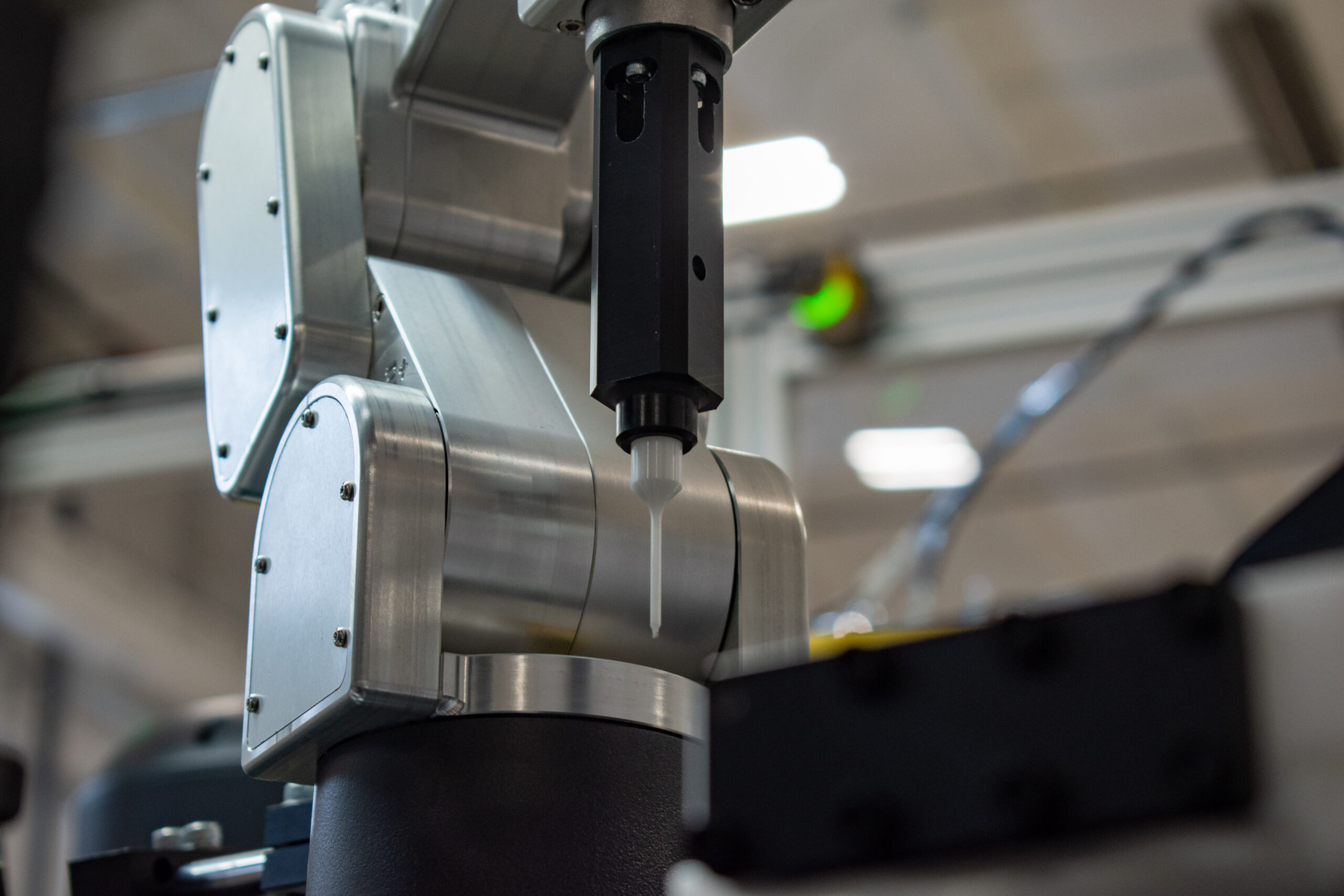
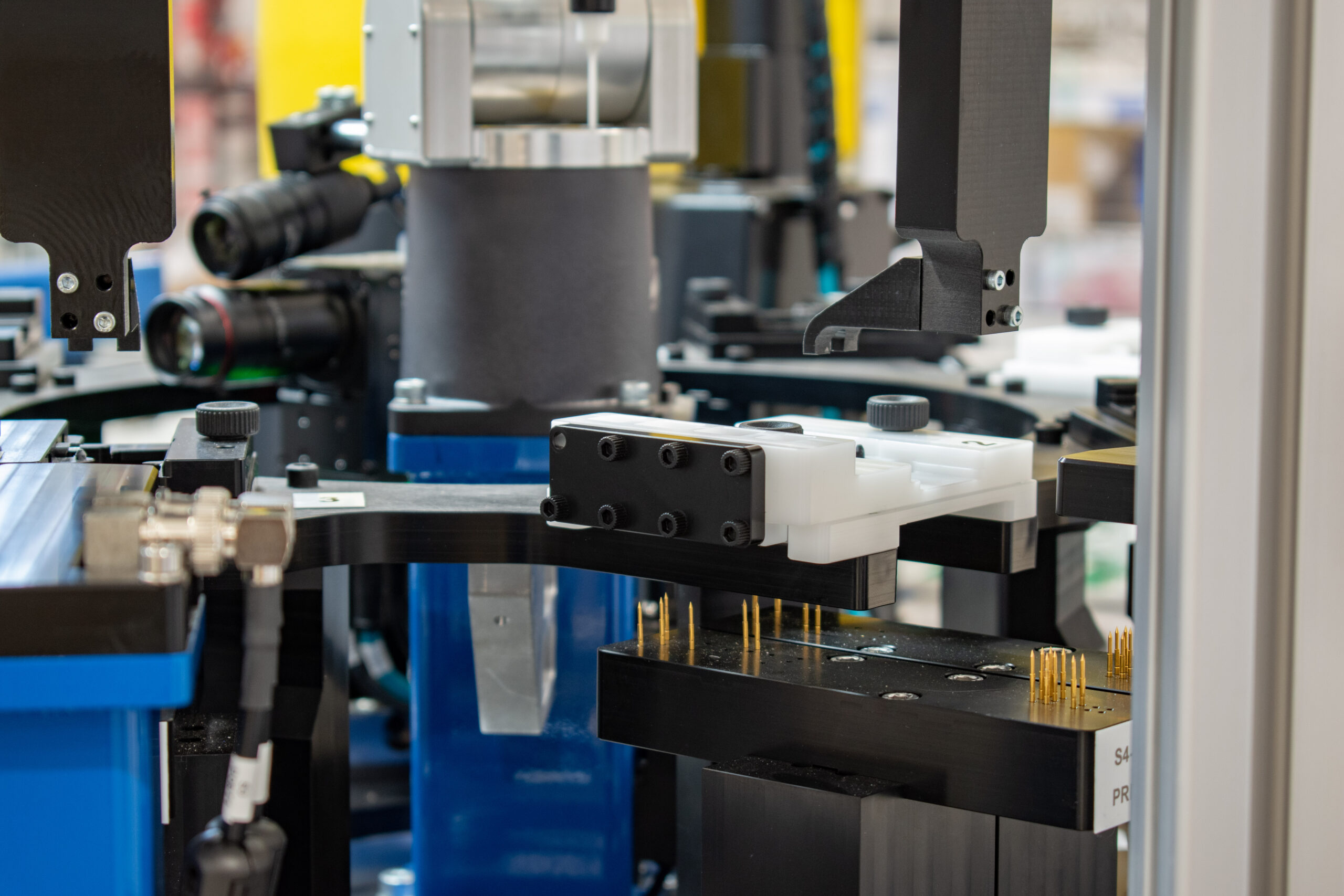
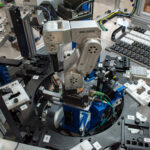
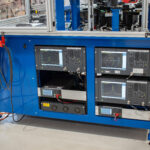
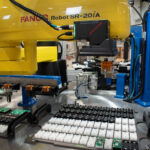
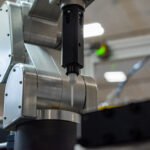
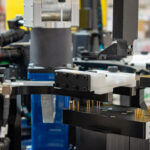
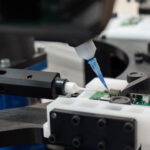
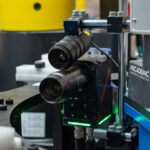
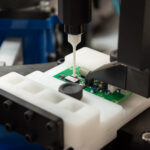
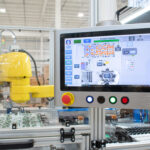
SDC’s fully automated board tuning machine case study has more detail on how the system was designed and what it delivers.
The performance numbers tell part of the story. The engineering decisions behind them tell the rest — and that’s where the safety argument starts.
What Makes This Machine Different
A system like this isn’t assembled from off-the-shelf parts. Every element was chosen for a specific reason. The FANUC and Mecademic robots weren’t interchangeable — each was right for the role it filled. The ceramic screwdriver wasn’t a preference — it was a requirement. That level of intentionality is what separates a purpose-built automated electrical testing machine from automation equipment that was configured to fit a process it wasn’t designed for.
The Safety Case Is About Engineering, Not Just Ergonomics
Most conversations about automation and safety focus on ergonomics. That’s a real benefit, but in electrical testing environments, it’s not the most important one.
The more relevant argument is about engineering out hazards that older test processes never fully resolved. A purpose-built automated electrical testing machine addresses these at the design stage — not through procedural workarounds applied after the fact. Take examples from our aforementioned RF circuit board tuning and testing machine:
- ESD protection by architecture. Legacy test setups often manage static risk through grounding straps, floor mats, and handling protocols. A modern machine builds ESD protection in directly — grounded tooling, grounded fixturing, and ionized air systems running throughout every test cycle. The protection stays consistent regardless of who is running the line or what point of the shift it is.
- Non-contact and RF-safe tooling by specification. Metallic tooling near live RF boards corrupts measurements. A ceramic screwdriver isn’t a workaround — it’s an engineering decision that produces a verifiably cleaner test result every cycle.
- Repeatable contact force and position. According to PowerSafe Automation, robotic fixtures apply repeatable force, position, and measurements — verifying electrical continuity and dimensional inspections while ensuring consistent performance and data capture for every product before it ships. Mechanical control of contact parameters makes the process both safer and more accurate.
As robotics adoption in electronics has accelerated, modern devices have components smaller than a grain of rice, and robots place them with pixel-perfect accuracy. The tooling and fixturing designed around that precision is what makes the safety case real rather than theoretical.
Safety is one side of the engineering argument. Floor space and data intelligence are the other.
Smarter Machines, Smaller Footprints, Better Data
Two advantages of modern automated electrical testing machines don’t get enough attention: how much floor space they reclaim, and how much smarter the data they produce makes a production operation.
On the physical side, purpose-built robotic systems — particularly those organized around circular indexing tables, compact SCARA robots, and multi-station architectures — consolidate what older setups spread across much more square footage. For production floors where space is a real constraint, that consolidation is meaningful. As SDC explored in The Future of Wire Harness Assembly, modern automation delivers greater capability in a smaller, more efficient form — and electrical testing is following the same trajectory.
On the data side, the shift is equally significant. Automated test systems deliver speed, precision, and scalability for modern electronics manufacturing. They help manufacturers verify performance quickly, reduce production time, and maintain reliability across large volumes. But what modern systems add beyond throughput is a continuous, automatic record of every cycle:
- Test results logged at each station without manual entry
- Barcode data tied to every individual part throughout the cycle
- Calibration events documented automatically on a defined schedule
- Reject events recorded and routed without operator intervention
- Full data exchange with plant information systems in real time
That data layer turns the test machine from a quality gate into a source of production intelligence. When every cycle is documented, engineers can identify drift patterns, validate calibration, and make process decisions based on real production data rather than periodic audits.
Next-generation systems are already adding self-learning features that allow machines to adapt calibration and detect anomalies as production conditions change. That direction will further separate purpose-built automated testing machines from older systems that were never designed to generate or use that kind of data.
Understanding why that gap exists comes down to one distinction that’s worth spelling out directly.
The Difference Between Automation Equipment and an Automated Machine
Automation equipment can be configured. An automated machine is engineered. In precision electrical testing for small parts, that distinction shows up in every cycle.
A machine built for a specific product and a specific test protocol brings everything together as one controlled system:
- Robotic handling selected and programmed for the part geometry and cycle requirements
- Test instrumentation integrated and sequenced for the specific measurements being taken
- Vision systems positioned and calibrated for the components being tracked
- Tooling specified for the material and electrical requirements of the application
- Data architecture designed to capture, log, and transmit what the customer’s plant information system needs
Nothing is adapted from a general-purpose platform. It’s all built to work together, for that application, at production volume. That’s what allows a system to hit a two-minute cycle time on an RF board while meeting RF isolation requirements, running active ESD controls, logging traceability data, and handling four different PCB footprints from the same infeed tray.
Why This Distinction Matters at Scale
According to Future Market Insights, the automated test equipment market is projected to grow from $8.4 billion in 2025 to $13.6 billion by 2035. That growth reflects how broadly the electronics industry recognizes that testing infrastructure needs to evolve. For manufacturers evaluating where their process stands, the question isn’t just whether to automate — it’s whether the system being considered was actually designed for the work it needs to do.
SDC builds custom automated machines for the electronics industry, with capabilities spanning Testing and Inspection, Micro Precision Applications, Machine Vision, and Robotic Integration. More on SDC’s work in the electronics industry.
The manufacturers who are getting this right aren’t just buying automation. They’re investing in machines built to solve a specific problem — and that difference shows up in the results, shift after shift.
FAQs (Frequently Asked Questions)
What is an automated electrical testing machine?
An automated electrical testing machine is a purpose-built system that executes electrical test sequences — continuity checks, functional testing, RF measurement, voltage and current validation — within a controlled, robotic cycle. It integrates test hardware, robotics, vision, and data logging into one unified process that runs consistently at production volume, without relying on instrument-by-instrument operation between cycles.
Why are older test setups a limitation in today’s electronics manufacturing?
Older test systems were built for different tolerances, part geometries, and data requirements than what today’s electronics manufacturing demands. In practice, that means more floor space consumed, more manual intervention between steps, calibration drift over time, and little to no automated traceability data. The gap between what those systems deliver and what the market now requires has grown significantly as component complexity has increased.
How does an automated electrical testing machine address ESD and safety risks?
A purpose-built automated electrical testing machine addresses ESD and electrical hazards through engineering decisions made at the design stage — grounded tooling and fixturing, ionized air systems integrated directly into the test cycle, and non-metallic contact materials specified for RF or electrical isolation. This produces a fundamentally different level of protection than procedural controls on an older test setup, and delivers a more consistent, verifiable result across every cycle.
Can an automated electrical testing machine reduce production floor space?
Yes — modern robotic test systems built around compact architectures like circular indexing tables and SCARA robots consolidate multi-step test processes into a single machine footprint. For facilities where floor space is constrained, that consolidation is one of the practical reasons manufacturers are upgrading from older, more spread-out test infrastructure.
What does data traceability look like in a modern automated electrical testing machine?
Current systems log test results, barcode data, calibration records, cycle timestamps, and reject events automatically, and exchange that data directly with plant information systems. Every part, every cycle, every calibration event gets documented without manual entry — giving quality assurance, process improvement, and customer traceability requirements a reliable, continuous record that manual logging can’t match.
How does the choice of robotics affect the performance of an automated electrical testing machine?
Robot selection directly determines what a test machine can achieve. Different robots suit different roles — material handling, precision screwdriving, multi-axis positioning — and the right pairing depends on the application. In precision electrical testing for small parts, compact robots capable of high-repeatability motion in tight workspaces consistently outperform general-purpose arms adapted to fit a process they weren’t designed for.
Does SDC build automated electrical testing machines for electronics manufacturers?
Yes. SDC designs and builds custom automated electrical testing machines for electronics manufacturers across multiple segments, including medical devices, connectors, RF components, and other small part assemblies. Learn more about SDC’s Testing and Inspection capabilities and Electronics industry experience.