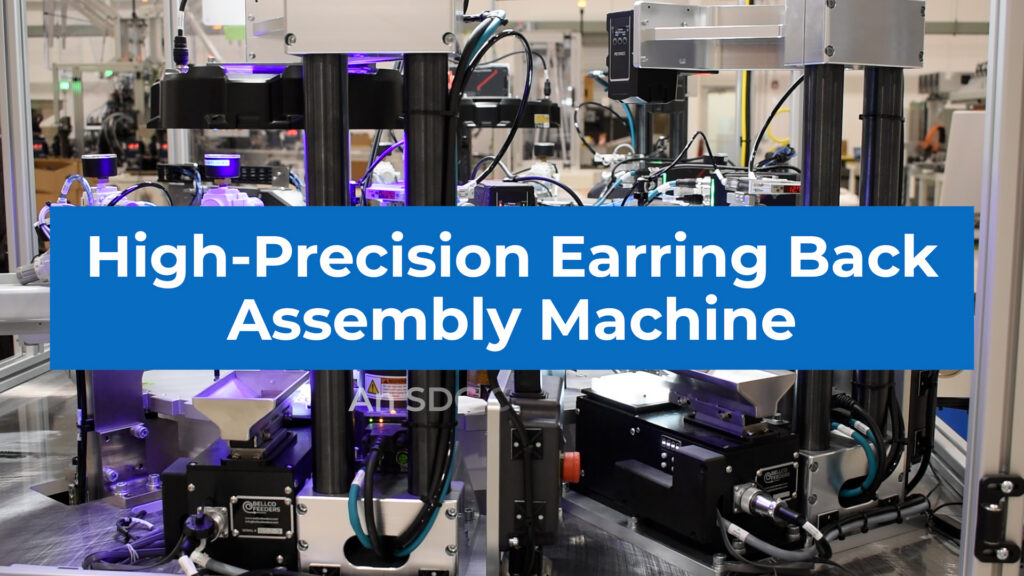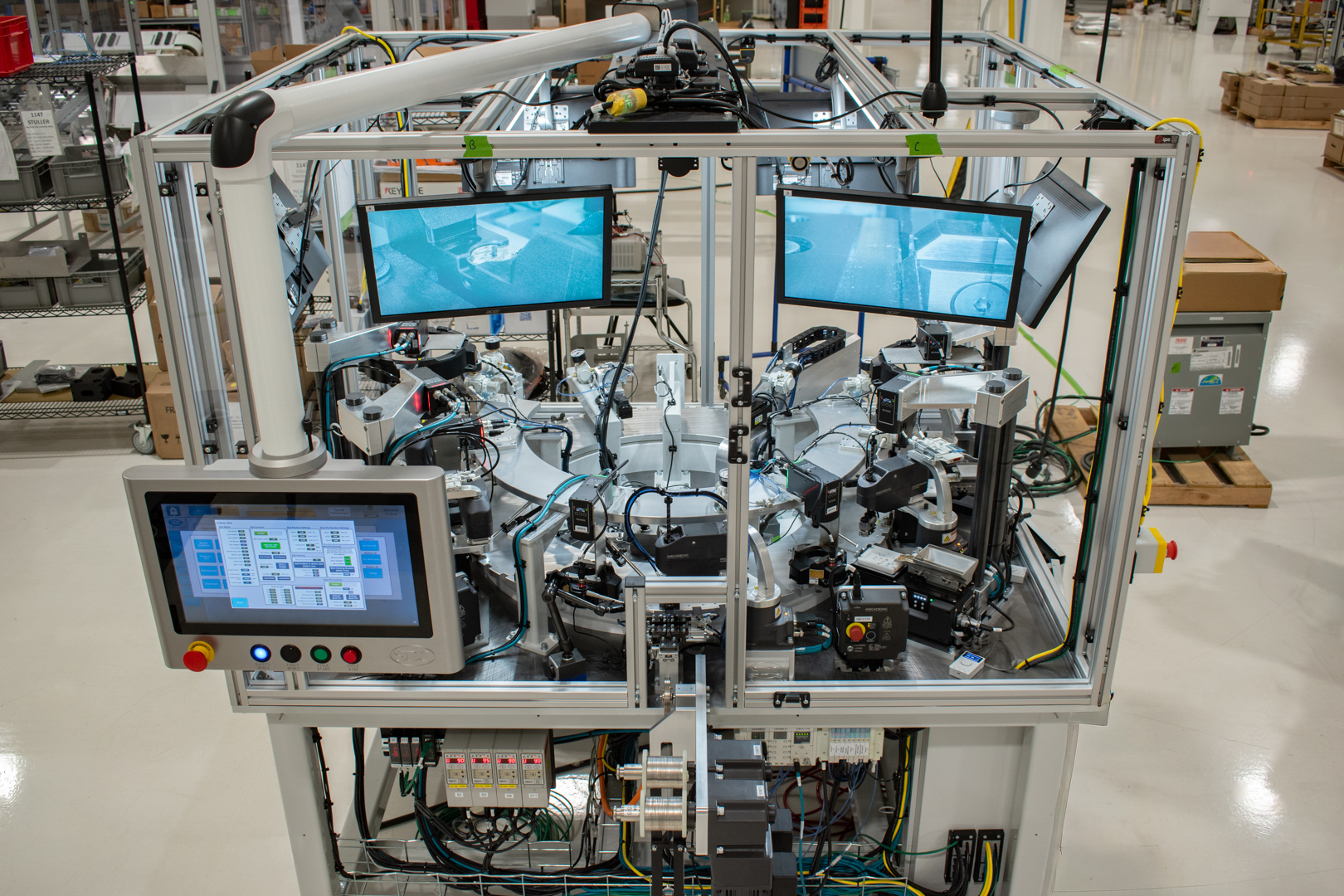
An earring back assembly machine automates the feeding, placement, crimping, and testing of tiny precious-metal parts too small for conventional tooling. A jewelry components manufacturer came to SDC as a new customer needing exactly that. Their 25-year-old dial machine passed only about 60% of parts and needed a full-time operator plus toolmaker support. Any downtime took at least two hours to recover.
The customer also planned to add 7mm and 8.5mm sizes to their 6.2mm earring back, a six-part locking clasp. They needed a small part assembly machine with quick-change tooling, built to run 24/7, and they needed it fast.
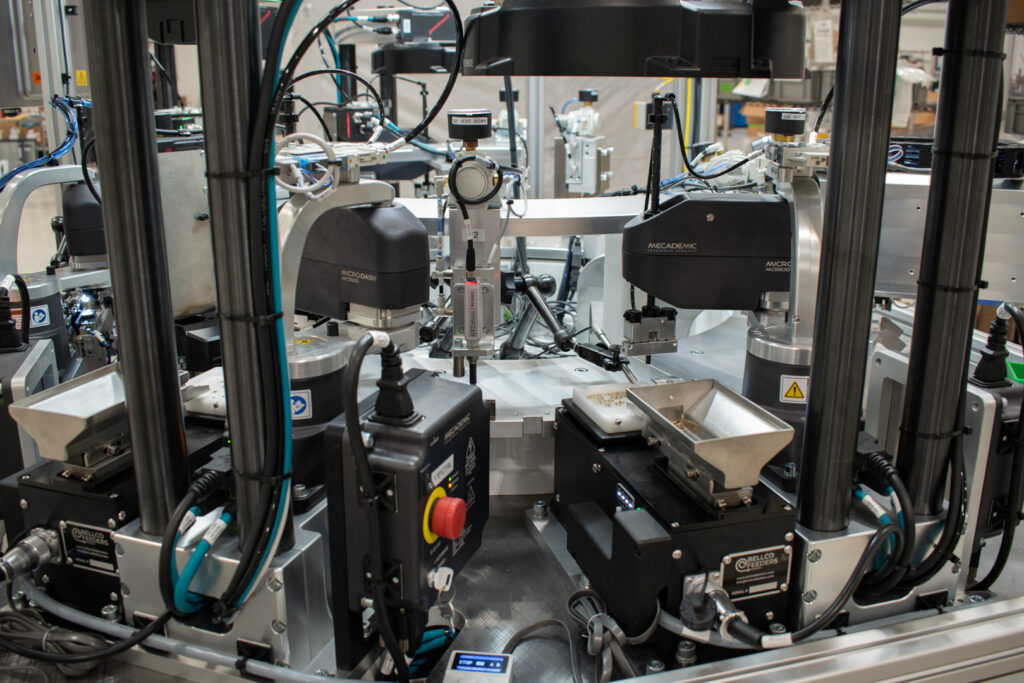
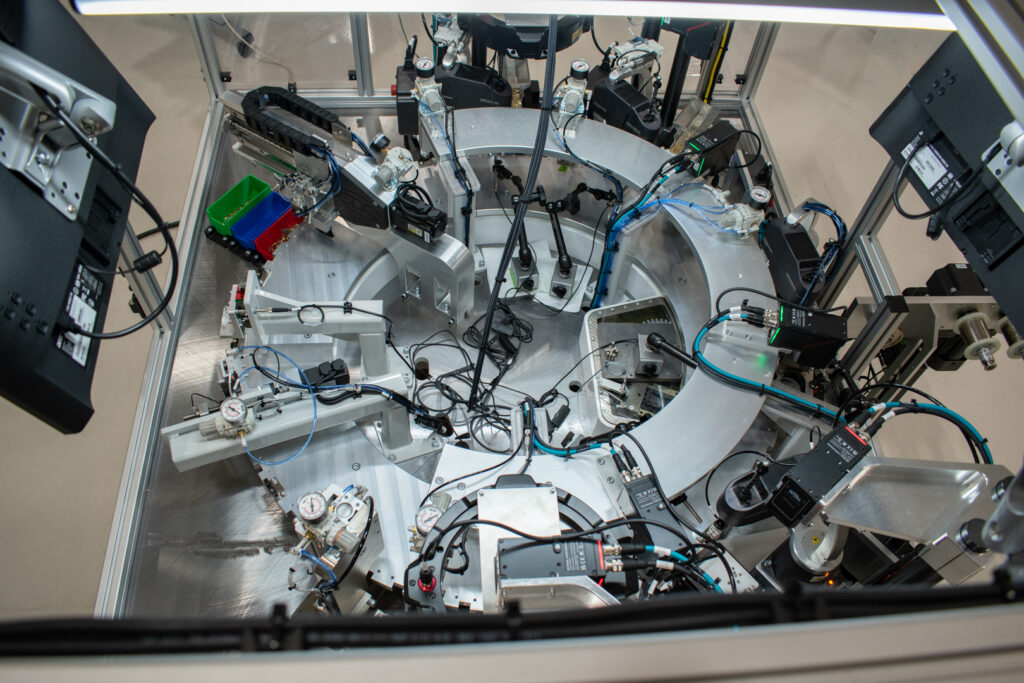
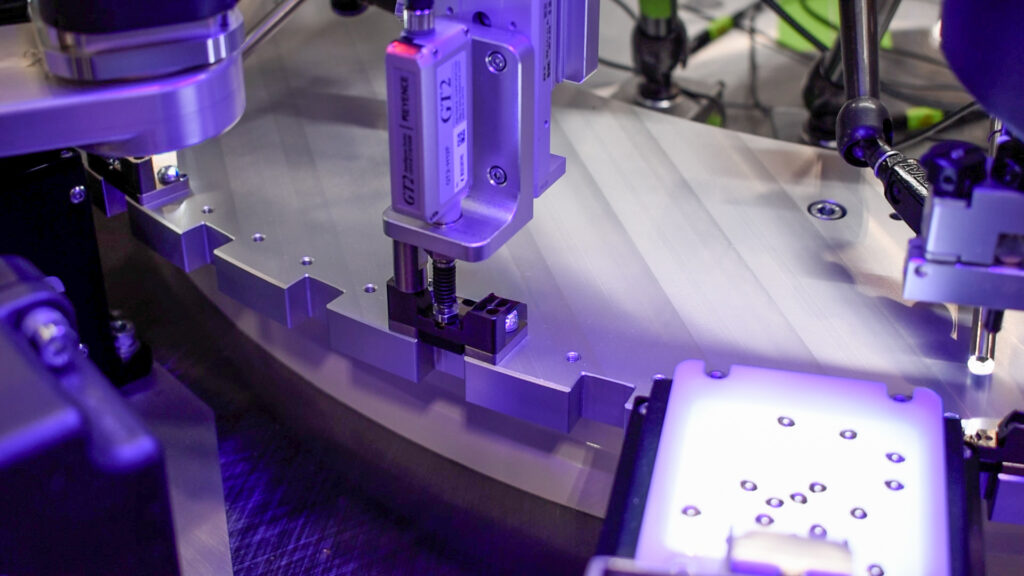
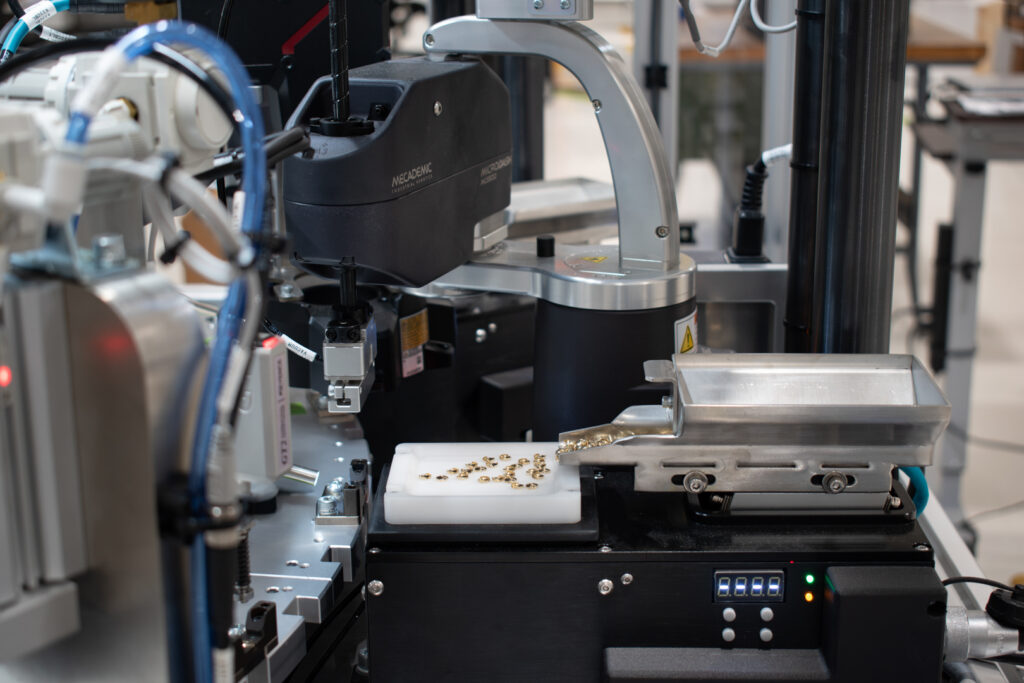
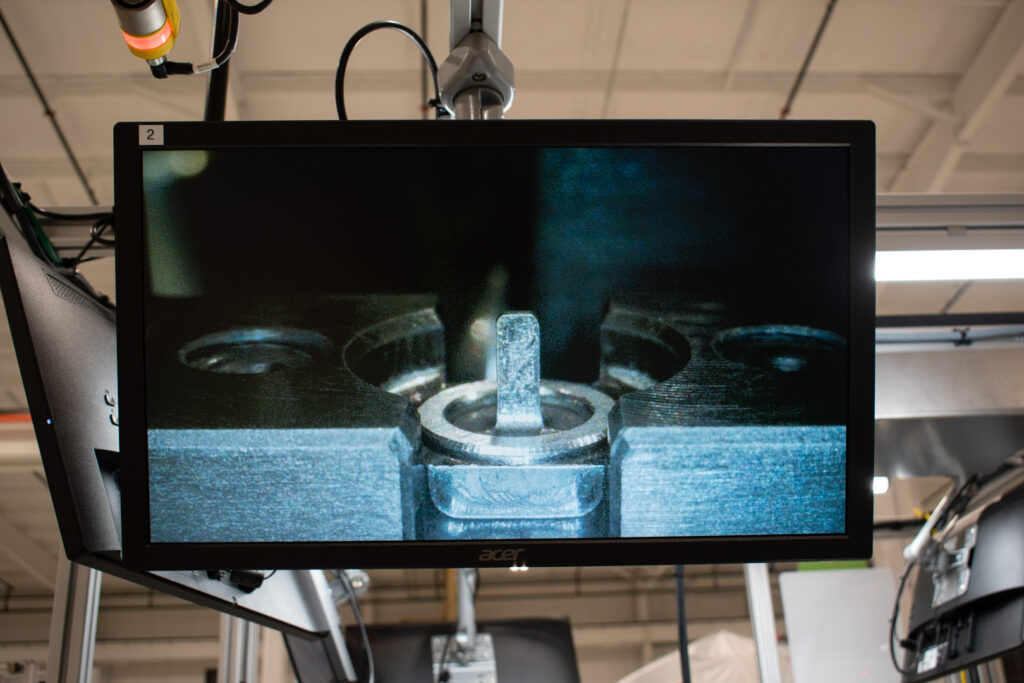
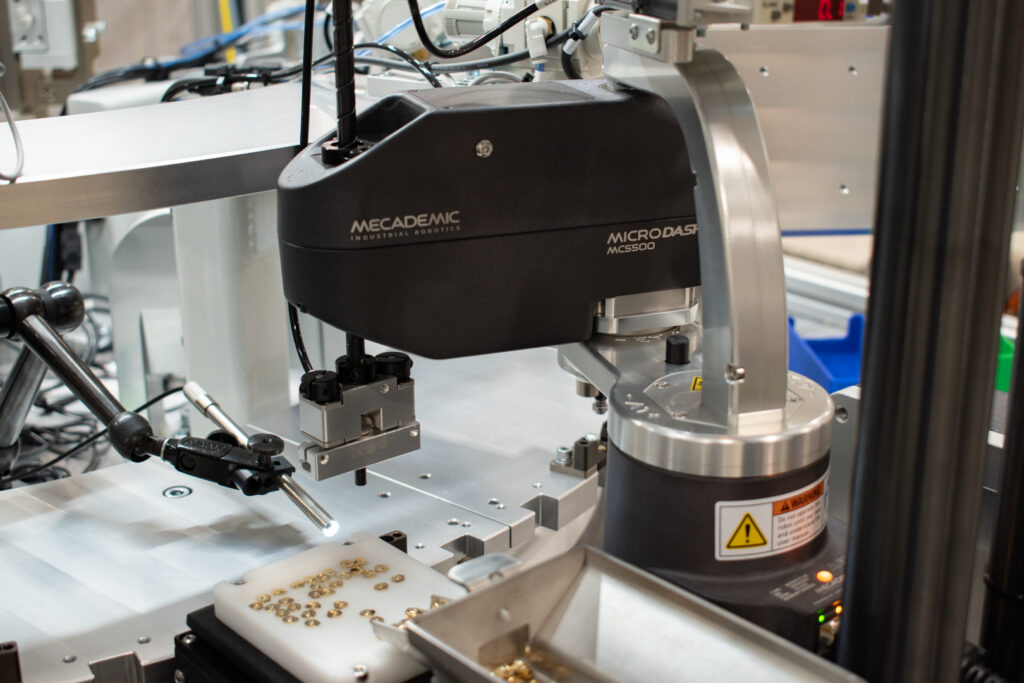
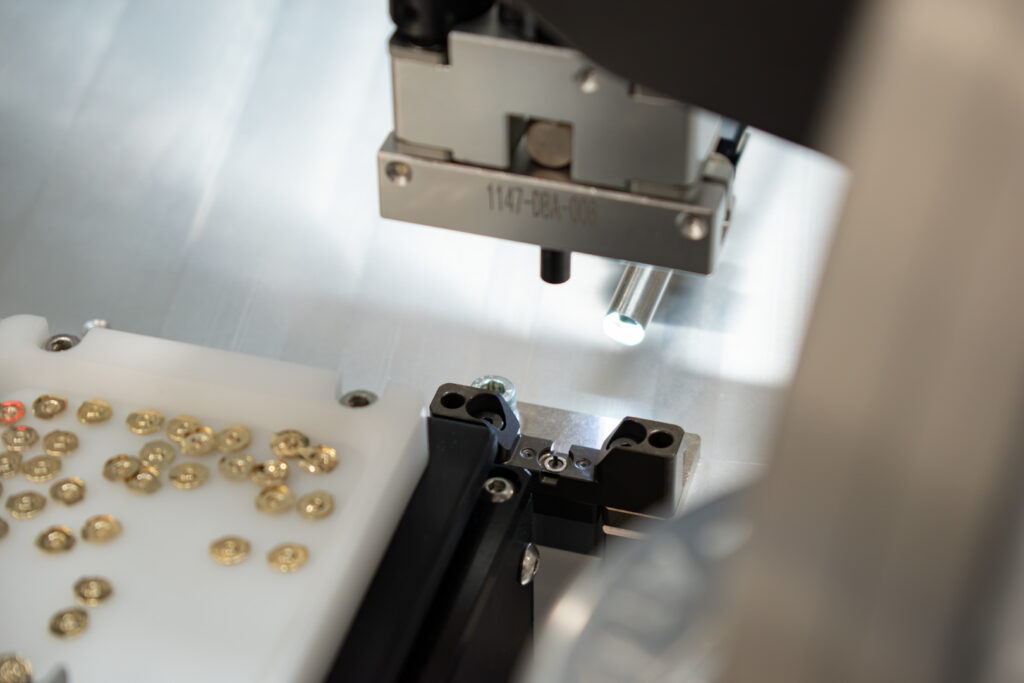
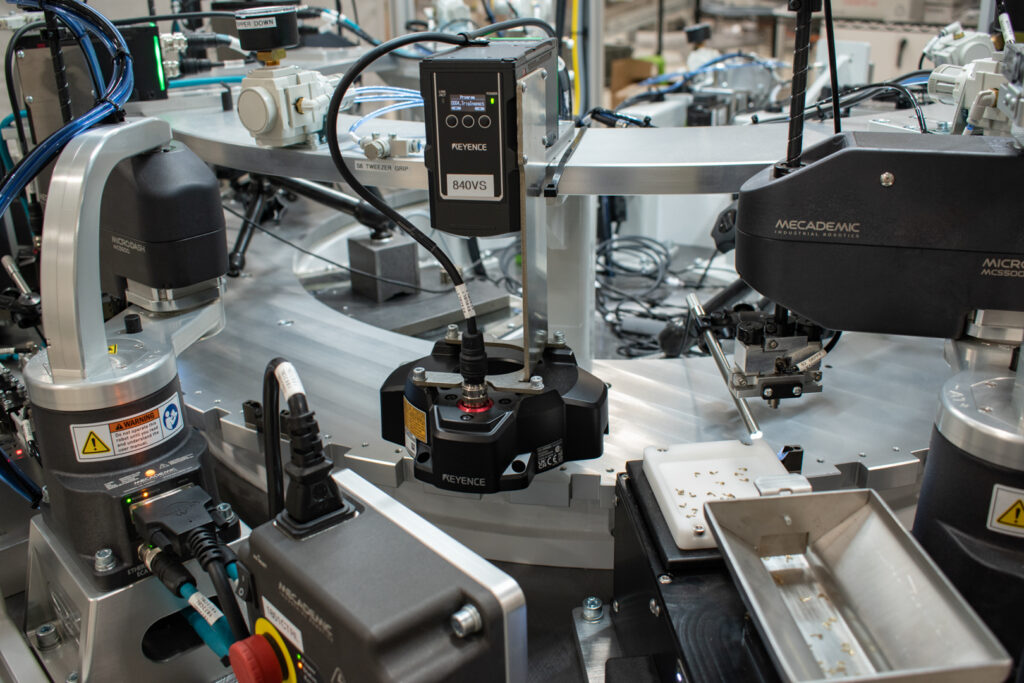
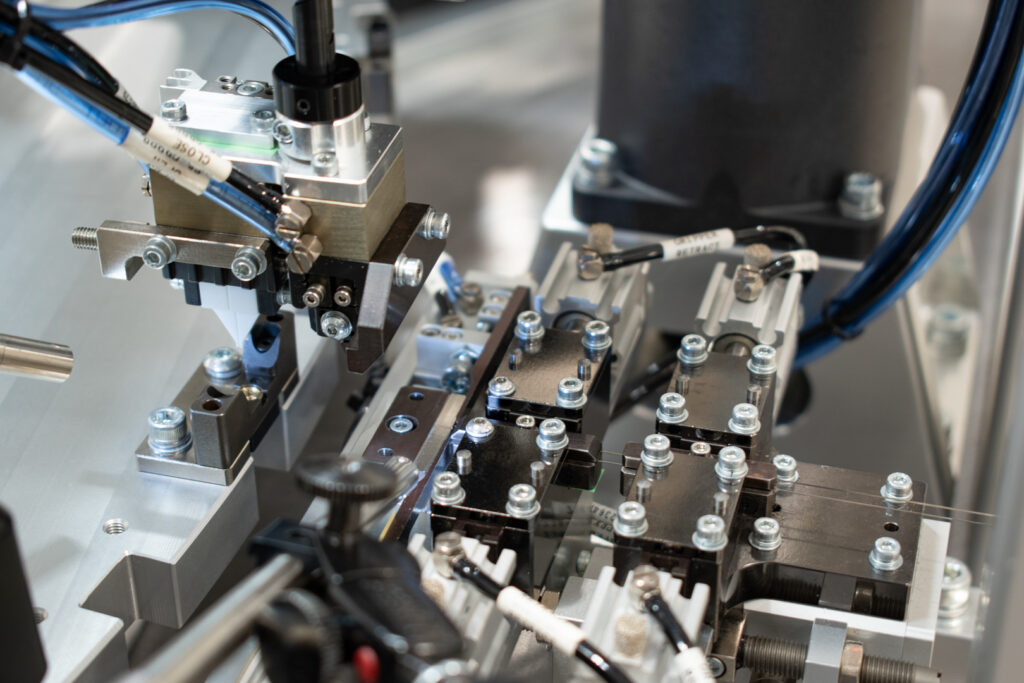
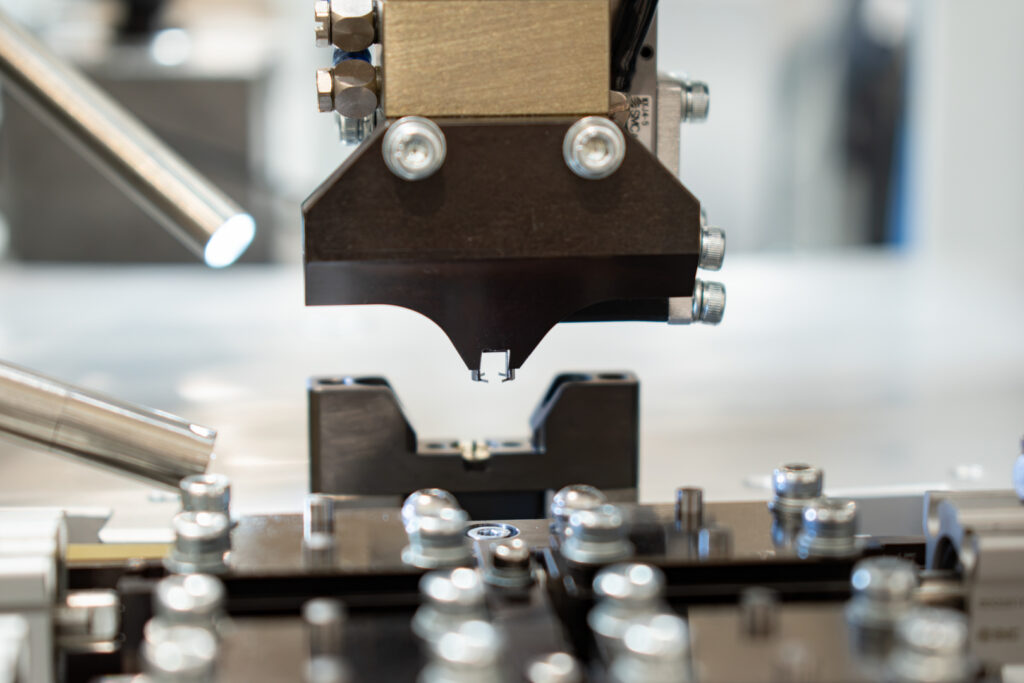
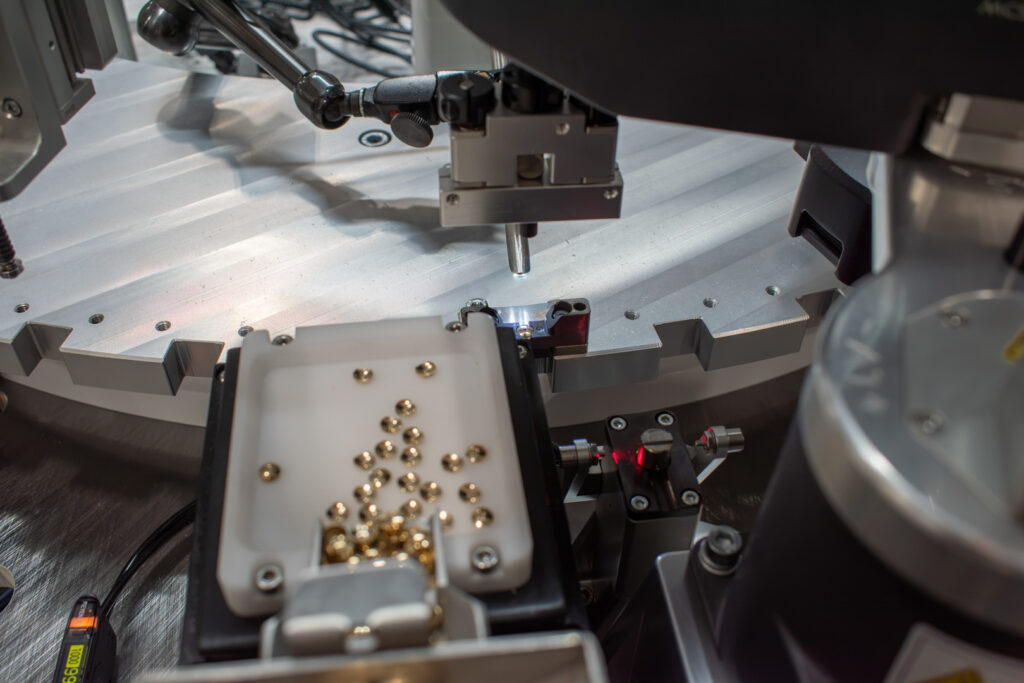
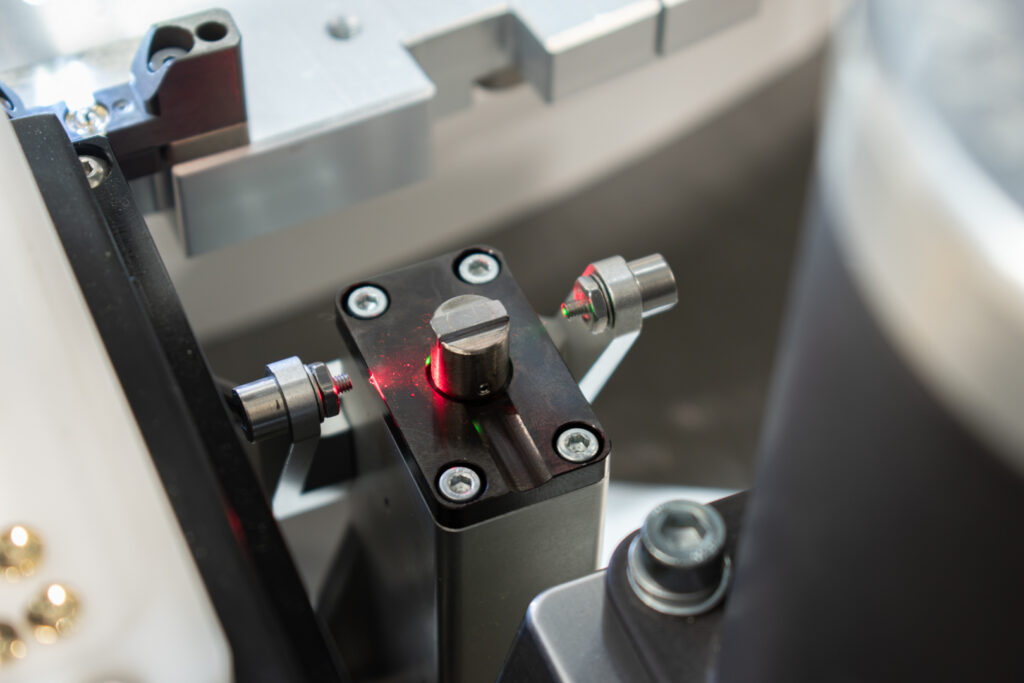
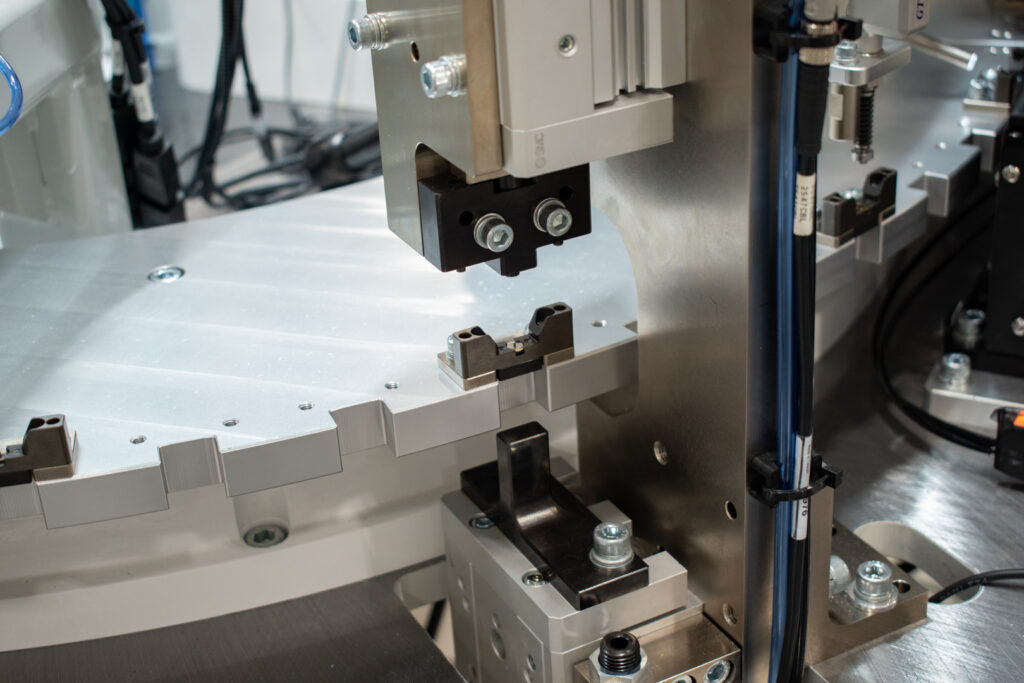
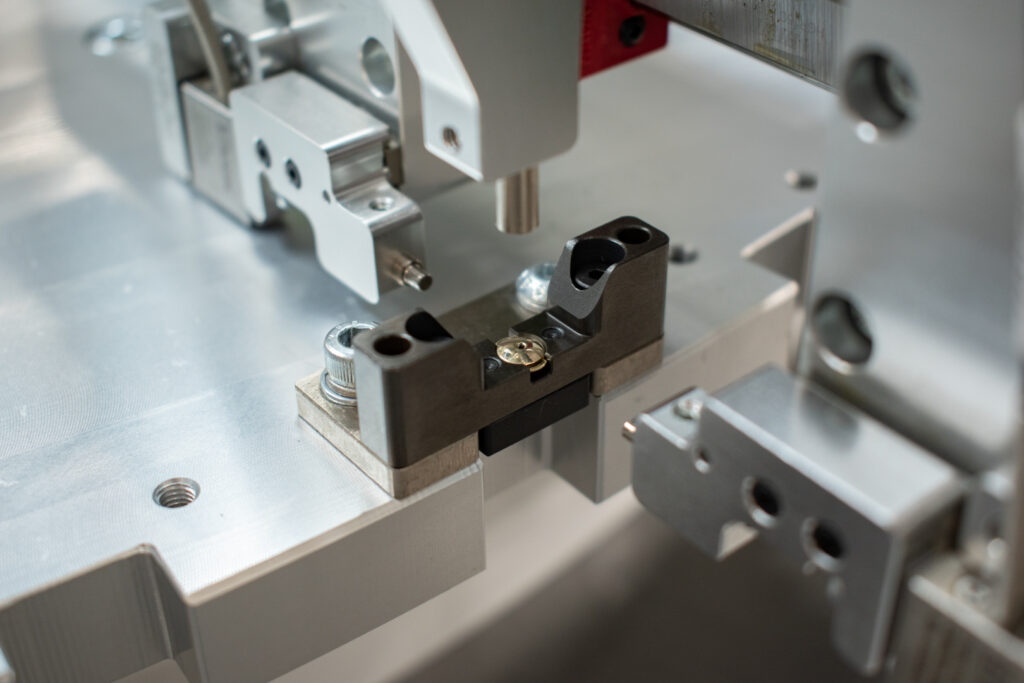
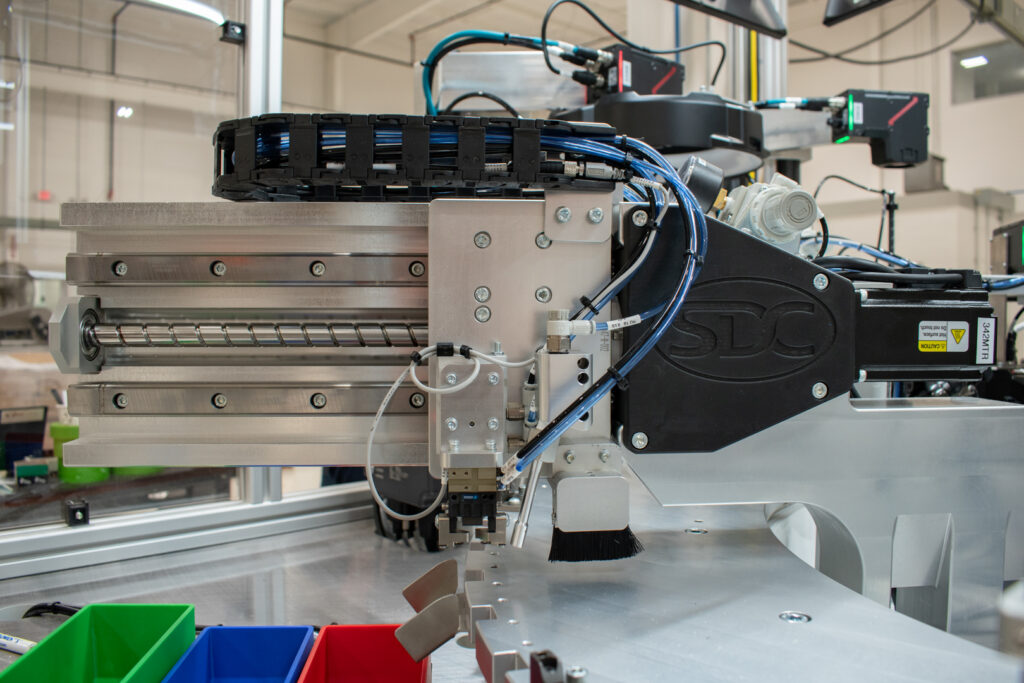
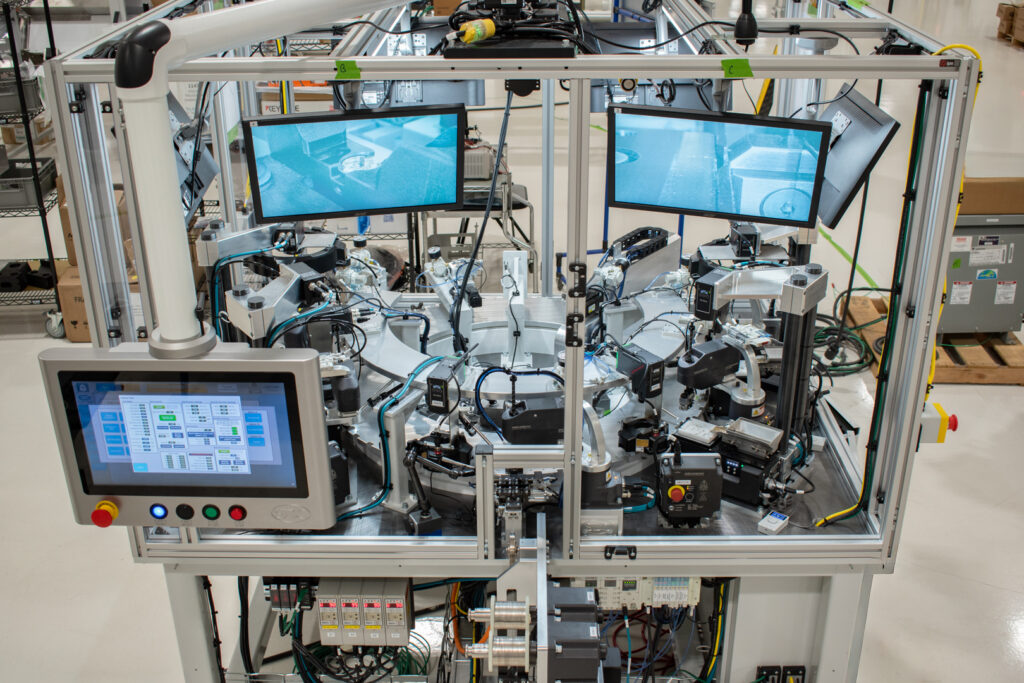
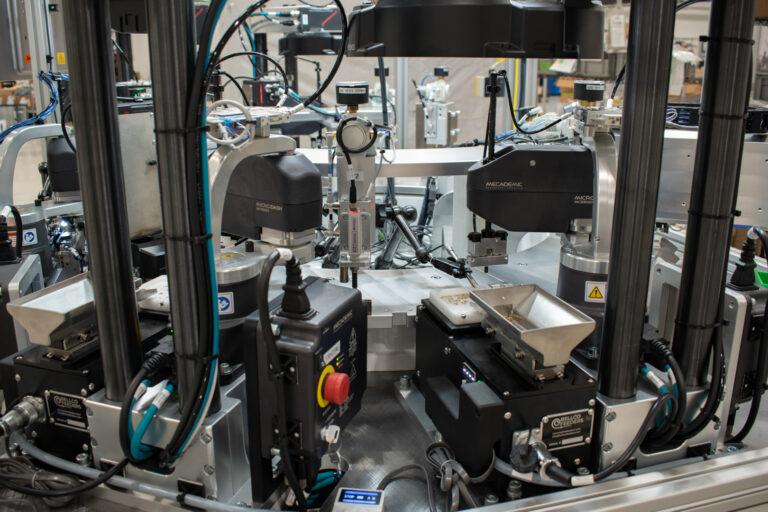
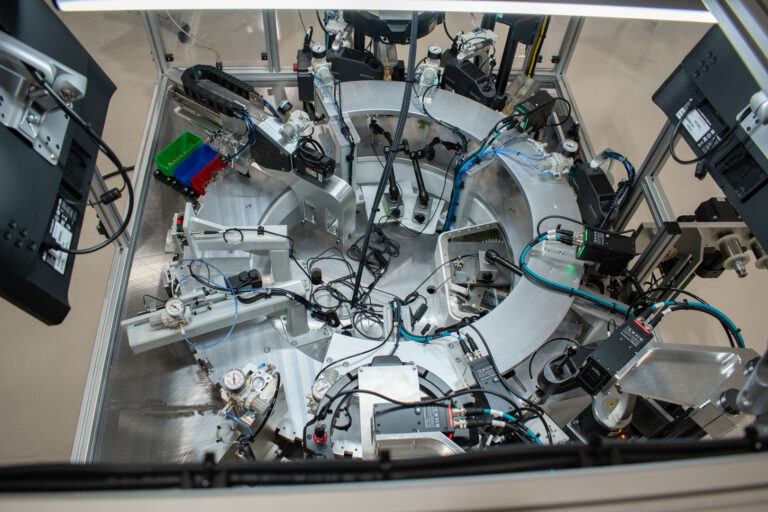
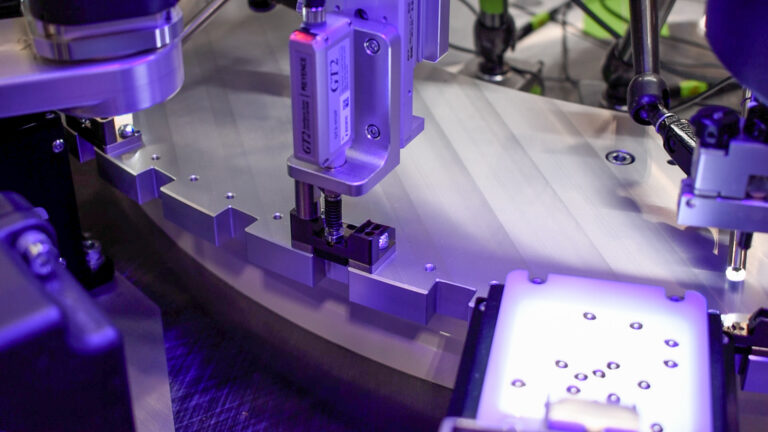
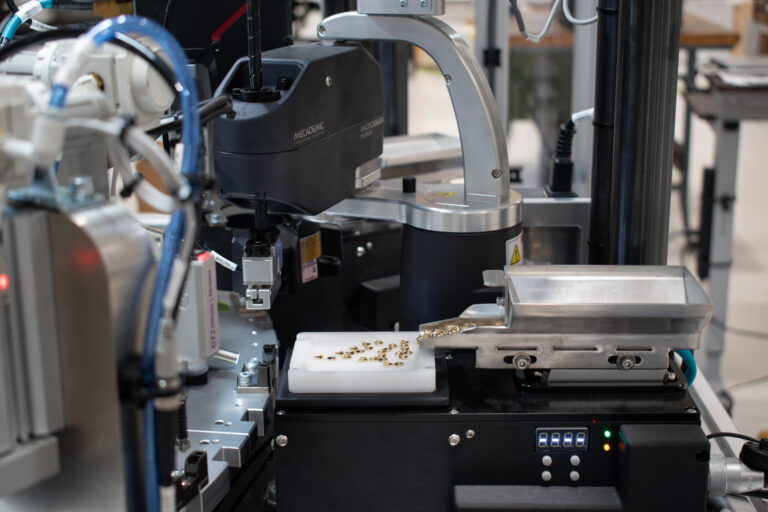
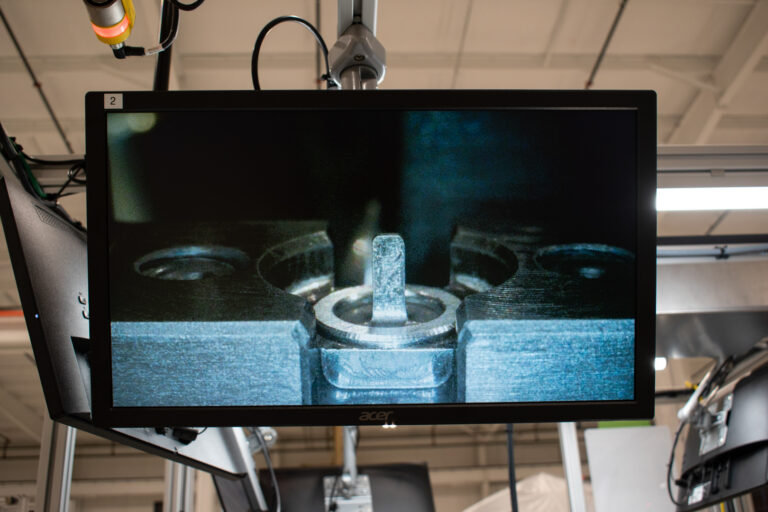
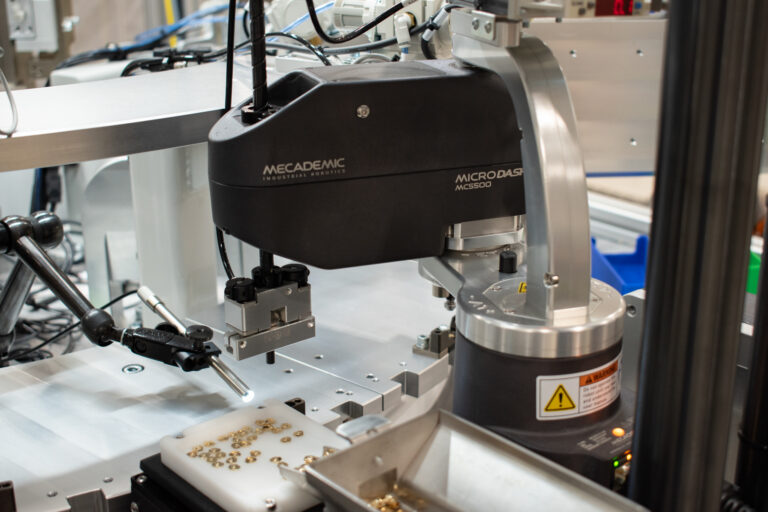
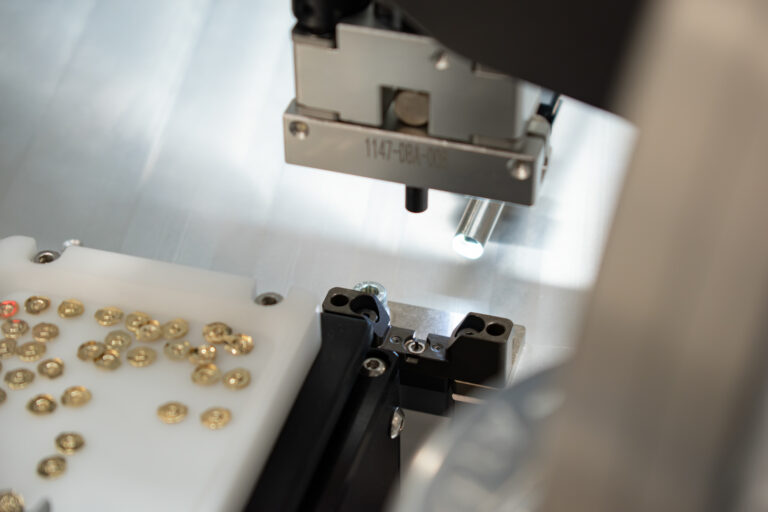
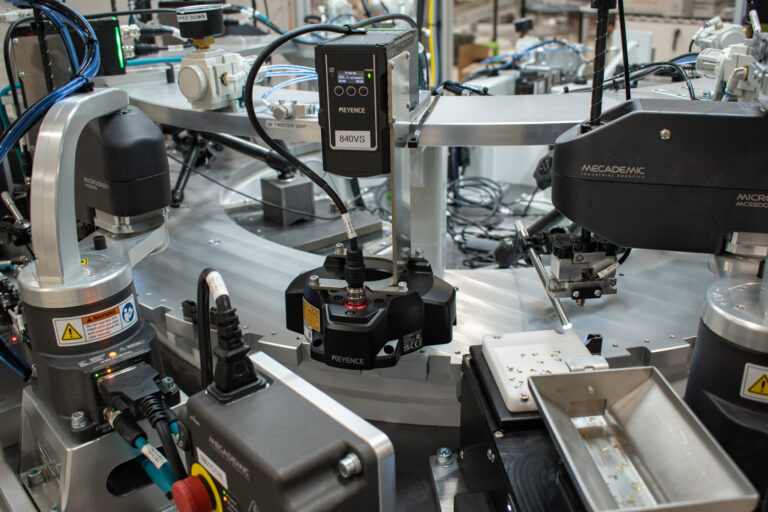
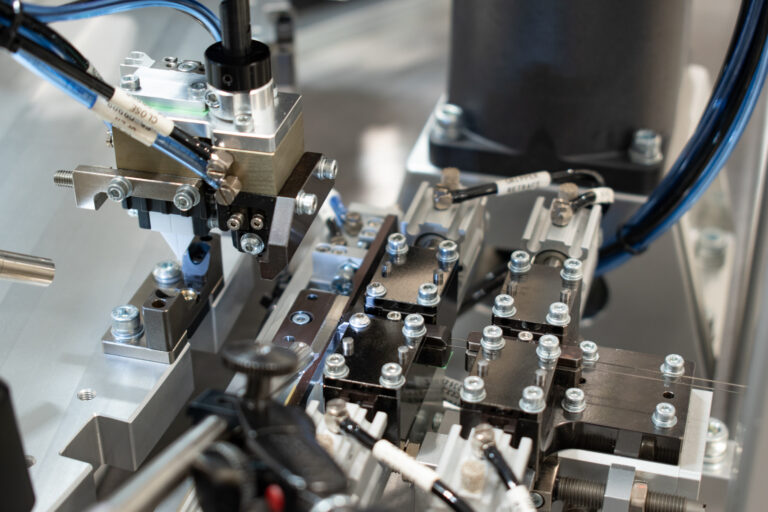
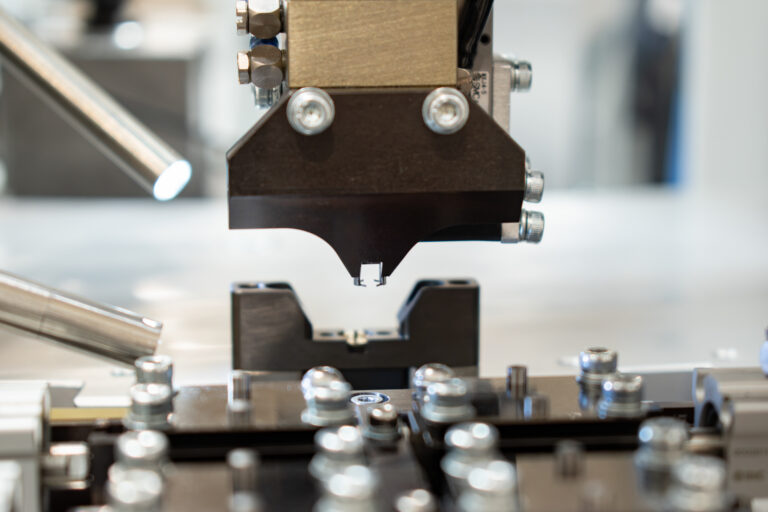
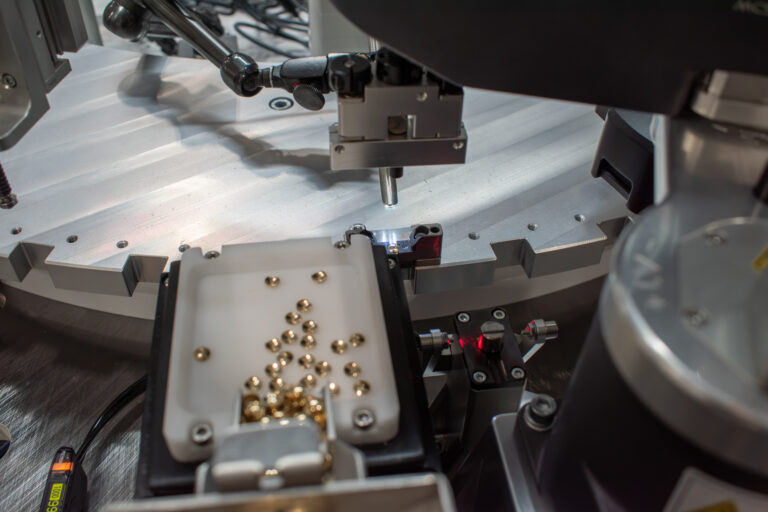
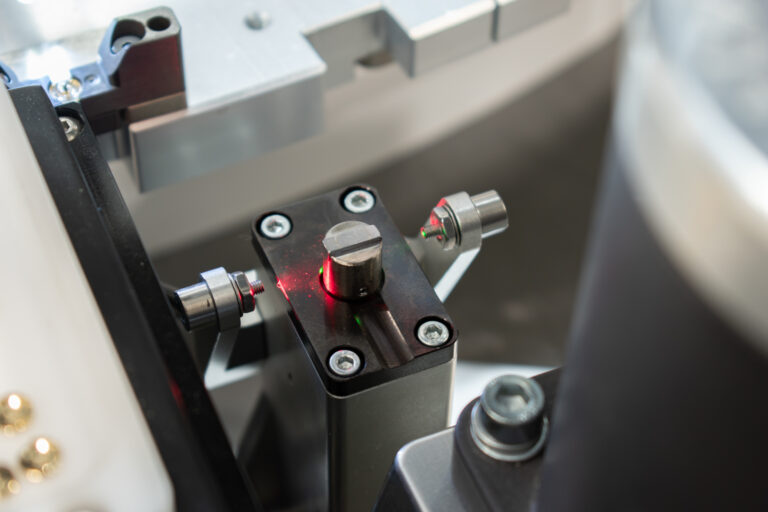
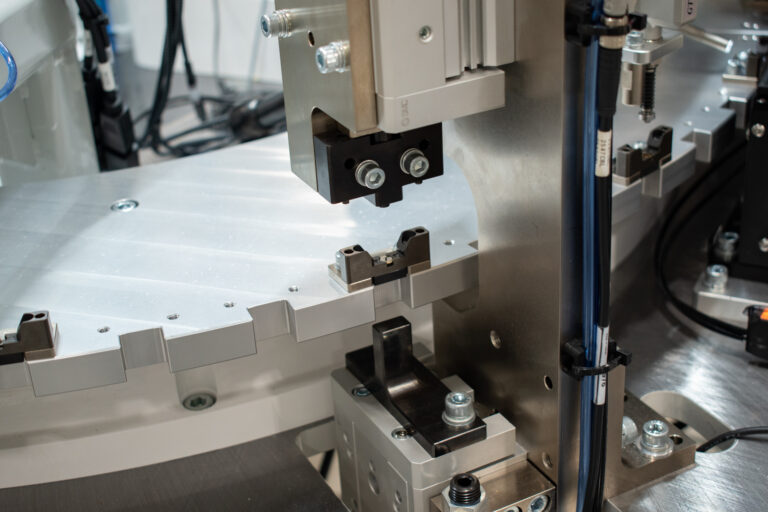
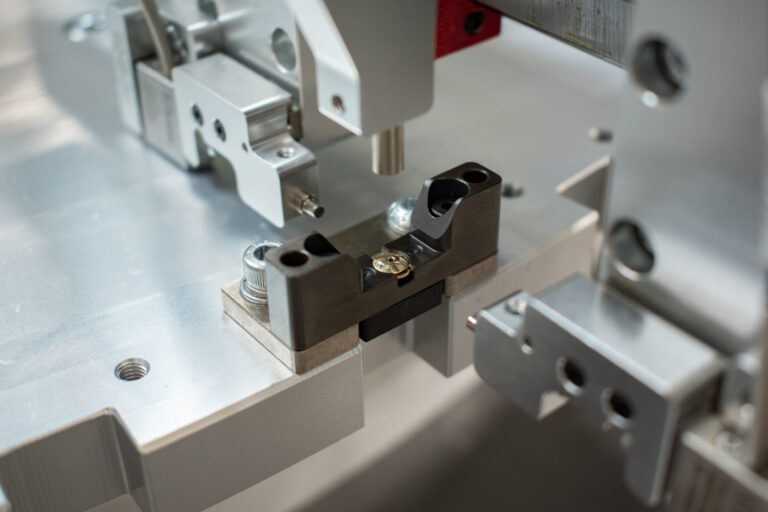
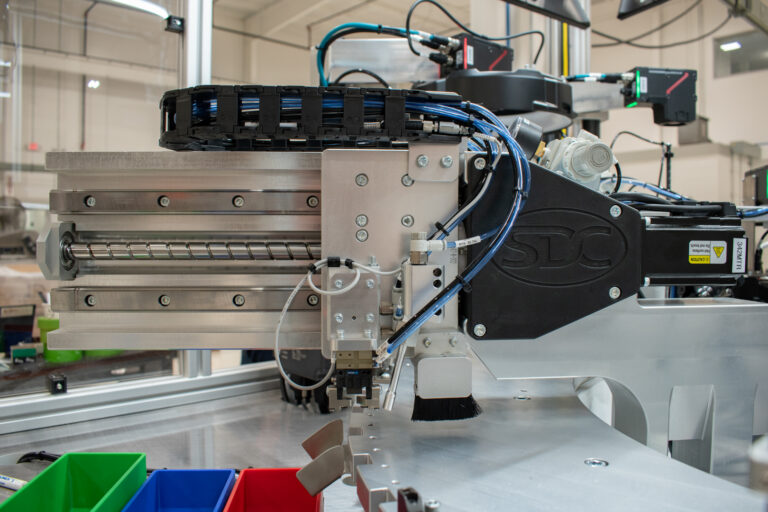
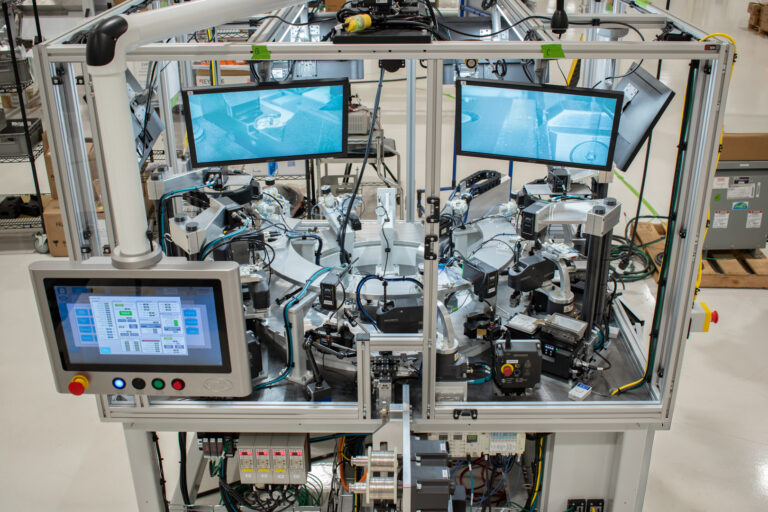
Earring back components are small, thin, and made of precious metals and stainless steel. Holding them in place with hard tooling alone is difficult and unreliable. The core idea was to let vision and robotics do the precise work that rigid fixtures could not.
SDC kept the proven dial-style process the customer already knew but rebuilt it with modern parts feeding and handling. Every part would be located by camera, picked by a precision robot, and checked before the next step. The machine also needed to be ready for future sizes without a full rebuild, so the design planned for all three sizes from day one.
SDC built the earring back assembly machine around four core processes: vision-guided feeding, on-machine spring forming, crimping and testing, and automated unloading.
For precision parts feeding, each bulk part goes into a flex feeder that separates parts on a vibratory plate. A camera under custom lighting finds each part’s exact position. Using vision-guided robotic picking, one of five SCARA robots picks each part, refines its position with precision tooling, and places it in the nests.
Springs are made from wire on the machine. A pneumatic mechanism feeds and cuts the wire, and a robot gripper forms each spring for insertion. A stripper tool keeps the springs and triggers seated as the gripper retracts, and vision confirms placement.
For automated crimping, a pneumatic press drives to a hard stop that sets the exact amount of crimp on the top cap. A servo-driven gripper with force sensors then opens and closes the triggers. It measures force against position to confirm each clasp works.
An SDC servo-driven pick-and-place unit unloads every finished assembly. It sorts each part into a good, reject, or audit bin, providing automated part sorting at the end of every cycle.
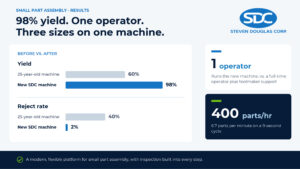
The new earring back assembly machine gave the customer a modern, flexible platform for small part assembly, with inspection built into every step.
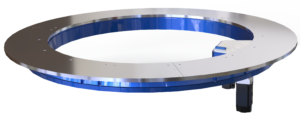
The SDC Indexing Ring is a custom-built, high-speed assembly platform designed around each customer’s product. Its heavy steel frame, precision components, and custom tooling are designed, assembled, and tested to meet or exceed required specifications.
The open-ring design allows stations to be mounted inside and outside the ring. This gives engineers a flexible footprint and gives operators better access for maintenance.
Key Features:
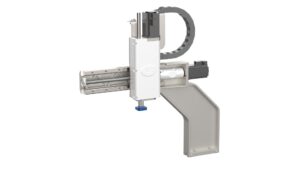
SDC designs its servo-driven, two-axis pick-and-place systems for high-speed, precise motion in a customizable design. Easy setup and programmable adjustment improve efficiency and productivity with minimal maintenance.
With low cost and high repeatability, these systems give manufacturers a versatile, value-driven solution. Using a proven SDC design for part unloading also reduces engineering risk.
Key Features:
This customer needed to replace a 25-year-old dial machine that rejected about 40% of its parts. SDC delivered an earring back assembly machine that combines a precision indexing ring with vision-guided SCARA robots. Every tiny component is located, placed, and verified before the next step.
Built-in force testing confirms each clasp works the way jewelers expect, and an SDC servo-driven pick-and-place unit sorts every part on its way out. Tooling for three sizes gives the customer room to grow without a new machine. The project shows how SDC solves demanding small part assembly challenges with proven technology and custom engineering.
A: An earring back assembly machine automatically puts together the small parts of an earring clasp, such as the base, triggers, springs, disc, and cap. It feeds, places, crimps, and tests each assembly. This replaces slow manual work and older dial machines.
A: Small jewelry parts are often too thin for standard fixtures. SDC uses flex feeders and machine vision to locate each part. Precision robots then pick and place the parts with high accuracy.
A: SCARA robots move quickly and repeat positions with high accuracy in horizontal pick-and-place work. Compact precision models can repeat within a few microns, which suits tiny parts like earring backs.
A: Yes. This machine carries tooling for 6.2mm, 7mm, and 8.5mm sizes on one indexing ring. The servo control automatically moves to the correct tooling set for the size being run.
A: Small part assembly automation uses machines to feed, place, and join very small components. These systems typically combine flex feeders, machine vision, and precision robots. They suit parts too small or delicate for manual assembly or hard tooling.